How AI Is Changing Cryptid Evidence (And How to Spot Fakes)
The New Problem
Scroll through any cryptid subreddit in 2026 and you'll notice something. The photos are getting better. Too much better. Crystal clear shots of Bigfoot standing in a clearing. A Chupacabra crouched on a fence post in perfect focus. A sea serpent breaking the surface of a lake with cinematic lighting.
They're fake. Most of them are AI-generated. And they're flooding every corner of the cryptid internet.
Why This Matters
Cryptozoology has always had a credibility problem. Blurry photos, shaky video, and the occasional admitted hoax have given skeptics easy ammunition for decades. But those old hoaxes took effort. You had to build a costume, stage a scene, develop film. The barrier to entry was high enough that most hoaxers got caught.
AI changes that equation completely. Anyone with a text prompt can generate a photorealistic image of any creature in any setting in 30 seconds. The output is often indistinguishable from a real photograph at first glance. This doesn't just add more fakes to the pile. It undermines every piece of photographic evidence, past and present.
If AI can generate a perfect Bigfoot photo today, how do we trust any Bigfoot photo from yesterday?
How to Spot AI-Generated Cryptid Photos
AI image generators have gotten dramatically better, but they still leave tells. Here's what to look for.
Background inconsistencies. Look at the edges of the frame. AI often generates backgrounds that warp or repeat unnaturally. Trees may merge into each other. Rocks may have impossible geometry. The creature looks right, but the forest behind it doesn't.
Lighting mismatches. Real photos have a single light source. AI images sometimes light the subject differently than the background, as if the creature was pasted in from a different scene. Check shadow direction.
Texture uniformity. Real fur, real scales, real skin have irregular textures. AI tends to make textures too uniform or too smooth. If the creature's hair looks like it was styled, be suspicious.
Metadata. Real photos contain EXIF data, camera model, lens, GPS coordinates, timestamp. AI images typically have no EXIF data, or they have generic metadata. Ask for the original file.
Context. Who posted it? Do they have a history? Did they report the sighting to any organization? Are they willing to answer questions? Genuine witnesses are usually nervous and detailed. AI posters are usually vague and disappear when pressed.
The Community Response
The cryptid community is split on how to handle this. Some subreddits now require photo verification, including EXIF data, location information, and moderator review. Others have banned photo evidence entirely, shifting focus to witness testimony and audio recordings.
Some researchers argue that this is nothing new. Hoaxes have existed since the Patterson-Gimlin film of 1967, which remains debated to this day. The medium changes but the challenge stays the same: separating signal from noise.
The Silver Lining
There's an argument that AI actually helps cryptozoology by forcing the field to get more rigorous. When photographs can't be trusted, investigation has to focus on physical evidence, consistent witness testimony, ecological analysis, and repeat sightings over time. These are stronger foundations than any single photograph.
The Loch Ness Monster wasn't validated or debunked by the Surgeon's Photo. The case rests on sonar data, repeated witness accounts, and ecological studies of the loch. That kind of evidence can't be faked with a text prompt.
Moving Forward
AI isn't going away. The cryptid community will have to adapt, and it already is. Better verification standards, more emphasis on testimony over imagery, and a healthy skepticism toward too-perfect photographs.
The creatures, if they're out there, don't care about our technology debates. They'll keep appearing in blurry phone videos and peripheral vision, exactly where they've always been.
Explore more: Loch Ness Monster, Mothman, Jersey Devil.
Creatures mentioned in this post
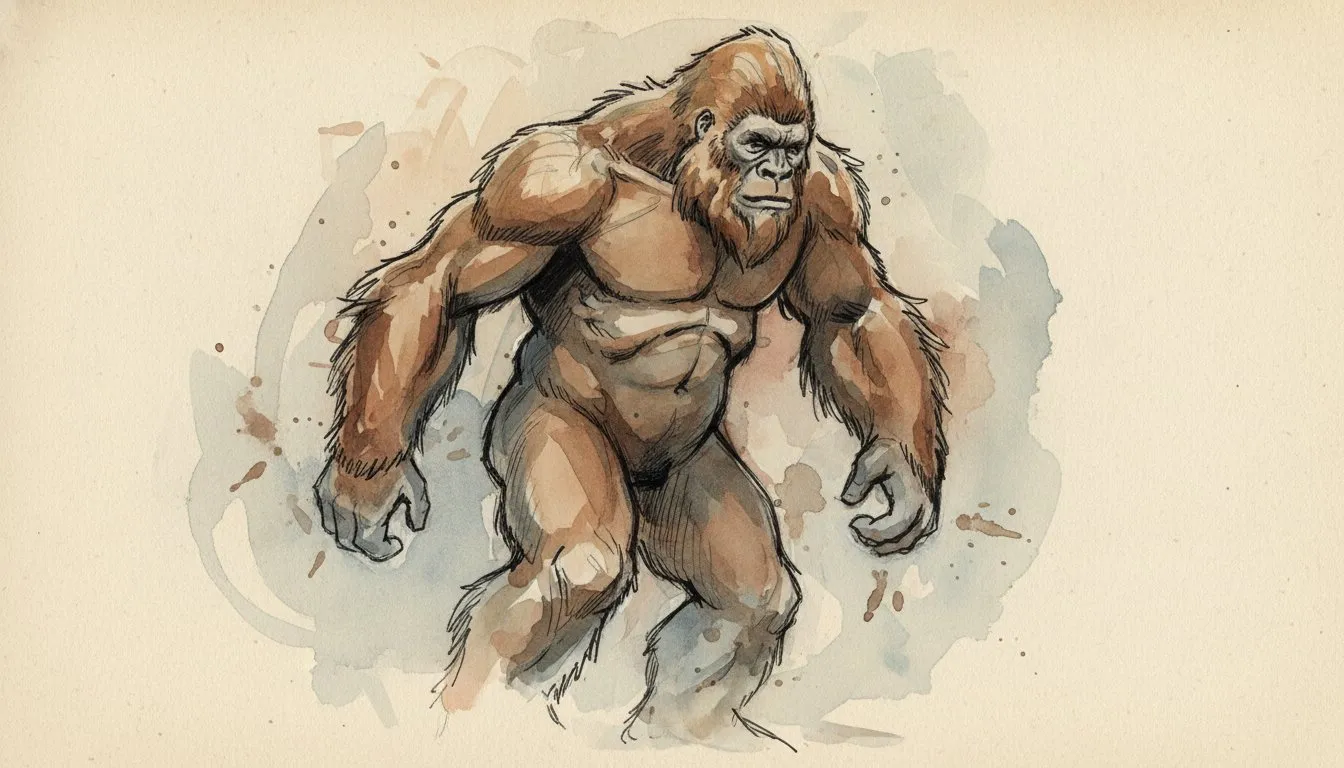
Bigfoot
LowThe towering ape-man of the Pacific Northwest, glimpsed in fog and legend for centuries.
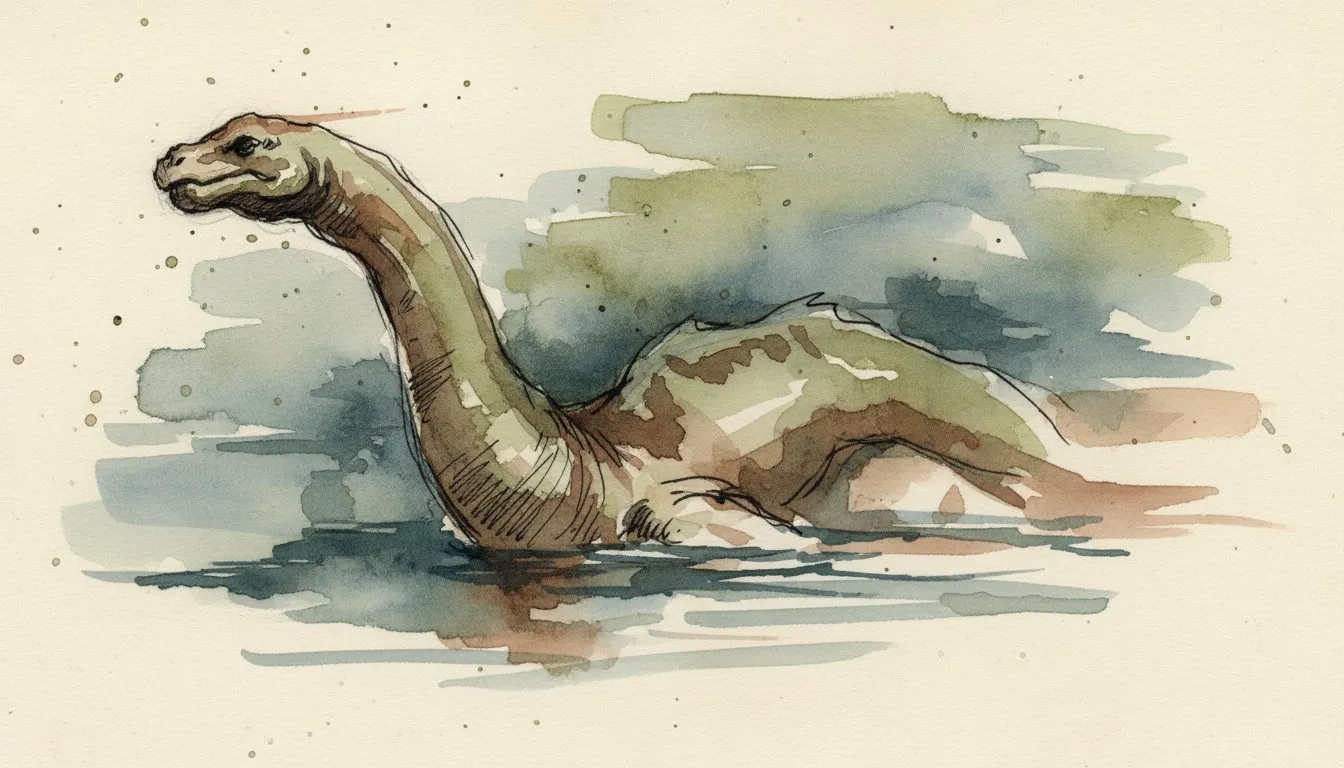
Loch Ness Monster
LowThe legendary lake serpent of Scotland, photographed, sonar-scanned, and never found.
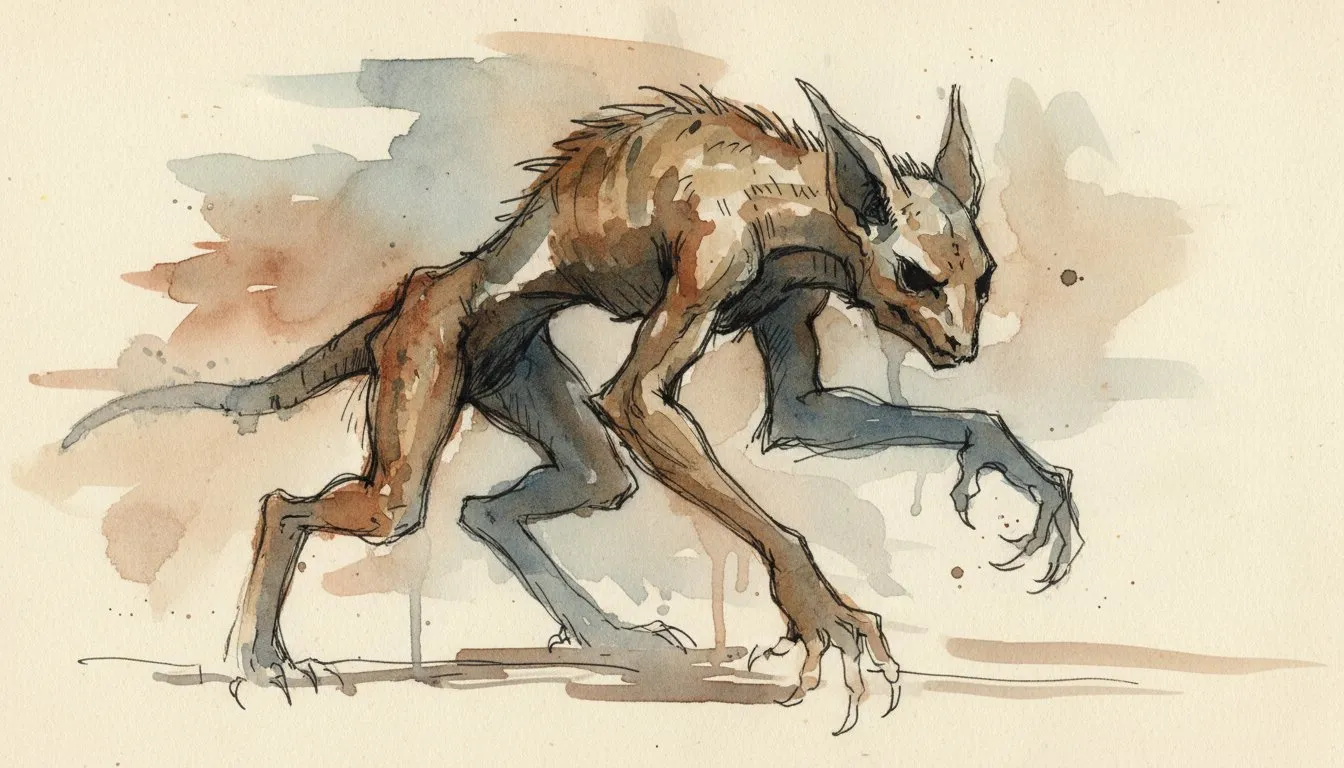
Chupacabra
MediumThe blood-draining predator that left livestock drained across Latin America.