The Appalachian Trail Has a Cryptid Problem
2,190 Miles of the Unknown
The Appalachian Trail stretches from Springer Mountain in Georgia to Mount Katahdin in Maine. It crosses 14 states, passes through some of the oldest mountains on Earth, and threads through forests so dense that sunlight barely reaches the ground in summer. Over three million hikers walk some portion of the trail each year.
Many of them come back with stories that don't fit in a standard trip report.
The AT corridor, and the greater Appalachian region surrounding it, is the most cryptid-active zone in North America. The dense hardwood forests, remote hollows, cave systems, and low population density create exactly the kind of environment where large, undocumented animals could theoretically persist. Whether they do is another question. But the sighting reports keep coming, year after year, state by state.
Here's what's been reported along the trail, moving north.
Georgia and the Carolinas: The Southern Trailhead
The southern Appalachians are old. The mountains here were ancient before the Rockies existed. The forests are some of the most biodiverse temperate ecosystems on the planet, and the hollows between ridges can be startlingly isolated.
Bigfoot sightings in the southern AT corridor are steady but not concentrated. North Georgia, western North Carolina, and the Great Smoky Mountains all produce regular reports of large bipedal figures spotted at dusk or heard vocalizing at night. Thru-hikers on the approach trail near Amicalola Falls have reported wood knocks and heavy footsteps paralleling them through dense rhododendron.
The Wampus Cat is the signature creature of this region. Rooted in Cherokee tradition, the Wampus Cat is described as a large feline, sometimes panther-like, sometimes walking on two legs. Reports of oversized cats in the southern Appalachians are remarkably persistent. The Eastern cougar was declared extinct in 2011, but something keeps getting seen in the mountains of North Carolina and Tennessee. Game cameras have occasionally captured images that wildlife officials can't quite explain away.
Virginia: The Long Green Tunnel
Virginia contains more AT miles than any other state, roughly a quarter of the entire trail. That's over 500 miles of ridgeline and valley, much of it remote.
The Shenandoah Valley and Blue Ridge produce consistent Bigfoot reports. The dense canopy that thru-hikers call "the green tunnel" creates visibility conditions where something large could move parallel to the trail at close range without being clearly seen. Hikers in the central Virginia section between Waynesboro and Daleville report feeling watched, hearing bipedal footsteps off trail, and finding large barefoot impressions in creek mud.
The Snallygaster is the regional standout. Originally reported in Frederick County, Maryland, the Snallygaster's range extends into the northern Virginia mountains. Described as a winged, reptilian creature with a metallic beak, it was first reported in the early 1700s by German settlers who called it a Schneller Geist, a "quick ghost." The AT passes through the northern edge of its reported territory as the trail enters the Maryland section.
West Virginia: Ground Zero
If the Appalachian Trail has a cryptid capital, it's West Virginia. The trail only crosses about four miles of the state's Eastern Panhandle, but the greater West Virginia Appalachian region is the densest concentration of cryptid activity in the country.
Mothman is the most famous resident. First reported in Point Pleasant in 1966, the winged humanoid with glowing red eyes generated over a year of sustained sightings before the Silver Bridge collapse in December 1967. Point Pleasant is west of the AT corridor, but Mothman sightings have been reported across West Virginia and into adjacent states.
The Flatwoods Monster was encountered in Braxton County in 1952. Witnesses described a 10-foot tall figure with a spade-shaped head, glowing eyes, and a dark body that appeared to hover above the ground. The sighting was accompanied by a pungent mist that made witnesses physically ill. Braxton County sits in the central West Virginia highlands, within the broader Appalachian ecosystem that feeds into the trail corridor.
The Grafton Monster rounds out West Virginia's roster. First spotted in Grafton in 1964, this creature was described as a massive, pale, seemingly headless figure with smooth skin. Witnesses reported it near the town's riverbanks. It's one of the strangest cryptids in the Appalachian record, a creature that doesn't fit neatly into any established category.
Maryland and Pennsylvania: The Mid-Atlantic Crossing
The AT's Maryland section is short, about 40 miles, but it passes through the Snallygaster's traditional range near South Mountain. The Snallygaster was reported intensely in 1909, when a wave of sightings made regional newspapers. Some accounts described it carrying off livestock. Others said it had tentacles.
Pennsylvania's AT section runs roughly 230 miles across the state's ridge-and-valley terrain. The state has a long history of Bigfoot reports, particularly in the Pocono Mountains and the forested areas near the Susquehanna River. Pennsylvania also produces regular sightings of the Dogman, an upright canine creature reported across the eastern United States. The state's dense deer population and extensive forest cover create prime habitat for whatever these creatures might be.
New Jersey and New York: Suburban Wilderness
The AT through New Jersey passes through surprisingly wild terrain in the Kittatinny Mountains. The Jersey Devil's traditional territory is further south in the Pine Barrens, but northern New Jersey produces its own share of unexplained creature reports.
New York's AT section crosses the Hudson Highlands, an area where Bigfoot reports surface periodically despite the proximity to the New York metropolitan area. The forested ridges of Harriman and Bear Mountain state parks contain enough unbroken canopy to support creatures that prefer to stay hidden.
Connecticut, Massachusetts, and Vermont: New England Deepens
As the trail moves into New England, the forests shift from hardwood to mixed conifer, and the terrain becomes more rugged. The Dover Demon was spotted in Dover, Massachusetts in 1977, not on the AT itself but within the greater New England corridor the trail passes through. Witnesses described a small, pale creature with an oversized head and glowing eyes, seen on three separate occasions over two nights. It remains one of the most credible multi-witness cryptid events in the region.
Vermont's Green Mountains produce regular Bigfoot reports, and the state's remote Northeast Kingdom is considered one of the most active areas for unexplained sightings in New England.
New Hampshire and Maine: The Wild North
The final stretch of the AT passes through the White Mountains of New Hampshire and the Hundred Mile Wilderness of Maine, some of the most remote and challenging terrain on the entire trail. These are not gentle forests. The weather is severe, the terrain is punishing, and sections of the trail see very few hikers outside of peak season.
Maine's North Woods, which surround the trail's final approach to Katahdin, are among the least populated forests in the eastern United States. Bigfoot reports from northern Maine are infrequent but consistent, and they describe encounters in areas where the nearest road might be 20 miles away.
What Hikers Should Know
This is not a warning to stay off the trail. Whatever these creatures are, whether undiscovered animals, misidentified wildlife, or something else entirely, they have never been documented attacking an AT hiker. The trail is safe in the conventional sense.
But if you're planning a thru-hike or even a weekend section hike, it's worth knowing what other people have reported in the same forests you'll be sleeping in. The Appalachian corridor has been producing these accounts for centuries, long before the trail was blazed in the 1920s and 1930s.
Something lives in these mountains. Three million hikers a year walk through its territory. Most of them never see a thing. A few of them see something they'll never forget.
Related creatures: Fouke Monster, Beast of Bray Road, Pope Lick Monster.
Creatures mentioned in this post
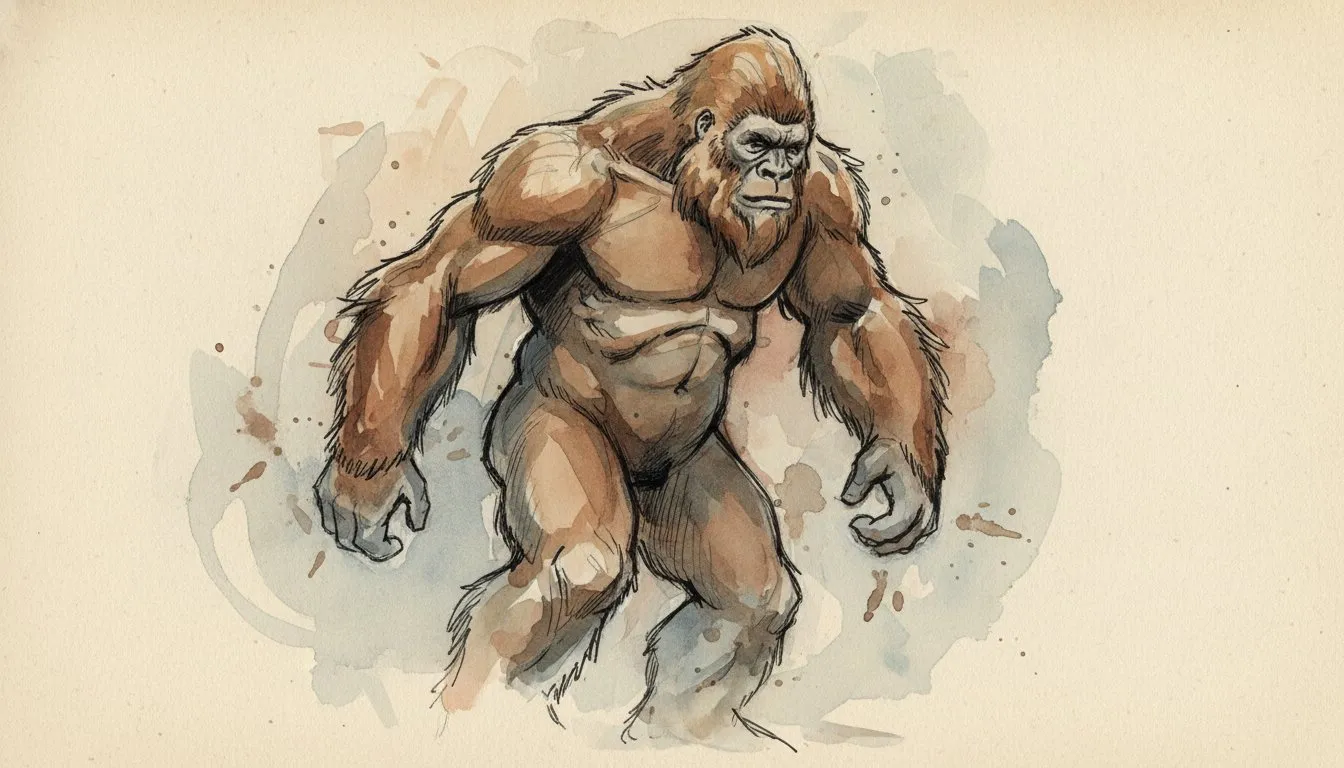
Bigfoot
LowThe towering ape-man of the Pacific Northwest, glimpsed in fog and legend for centuries.
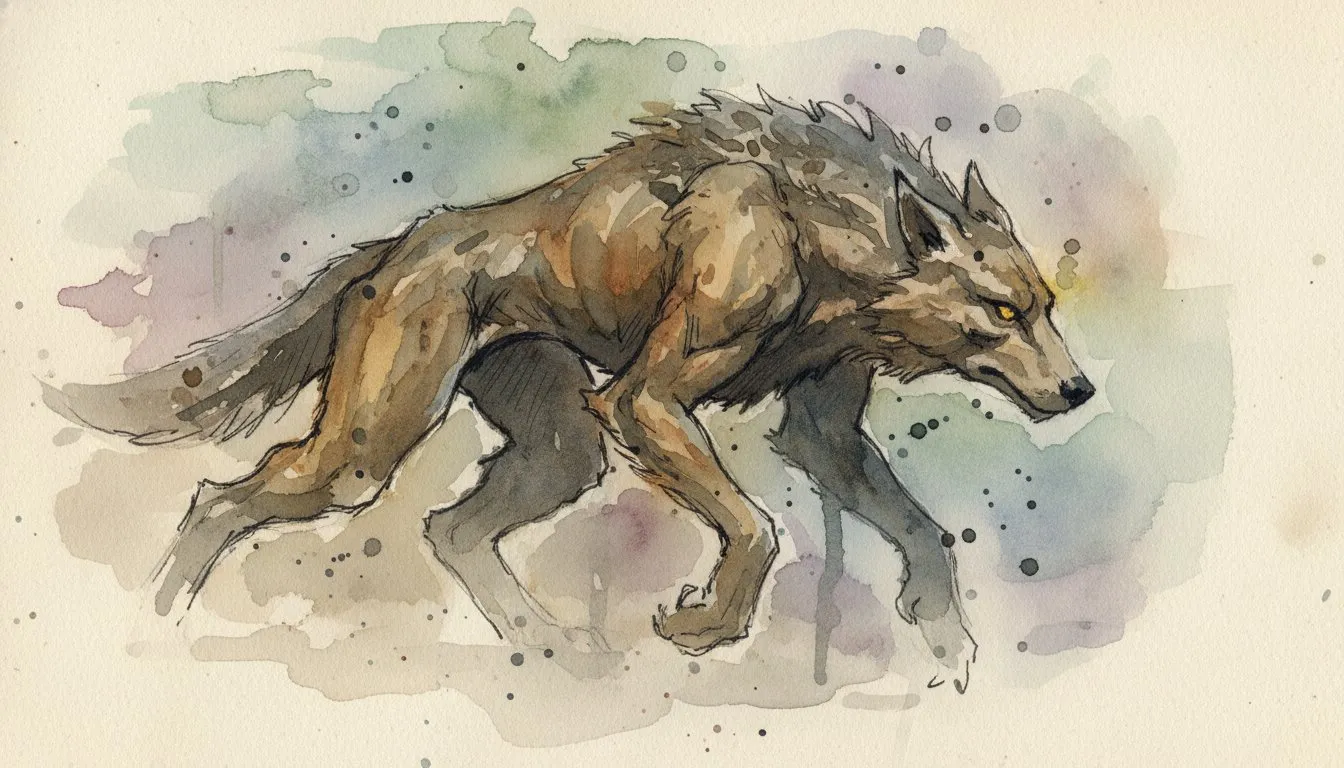
Michigan Dogman
MediumAn upright canine terror first reported in 1887, stalking Michigan's north woods ever since.
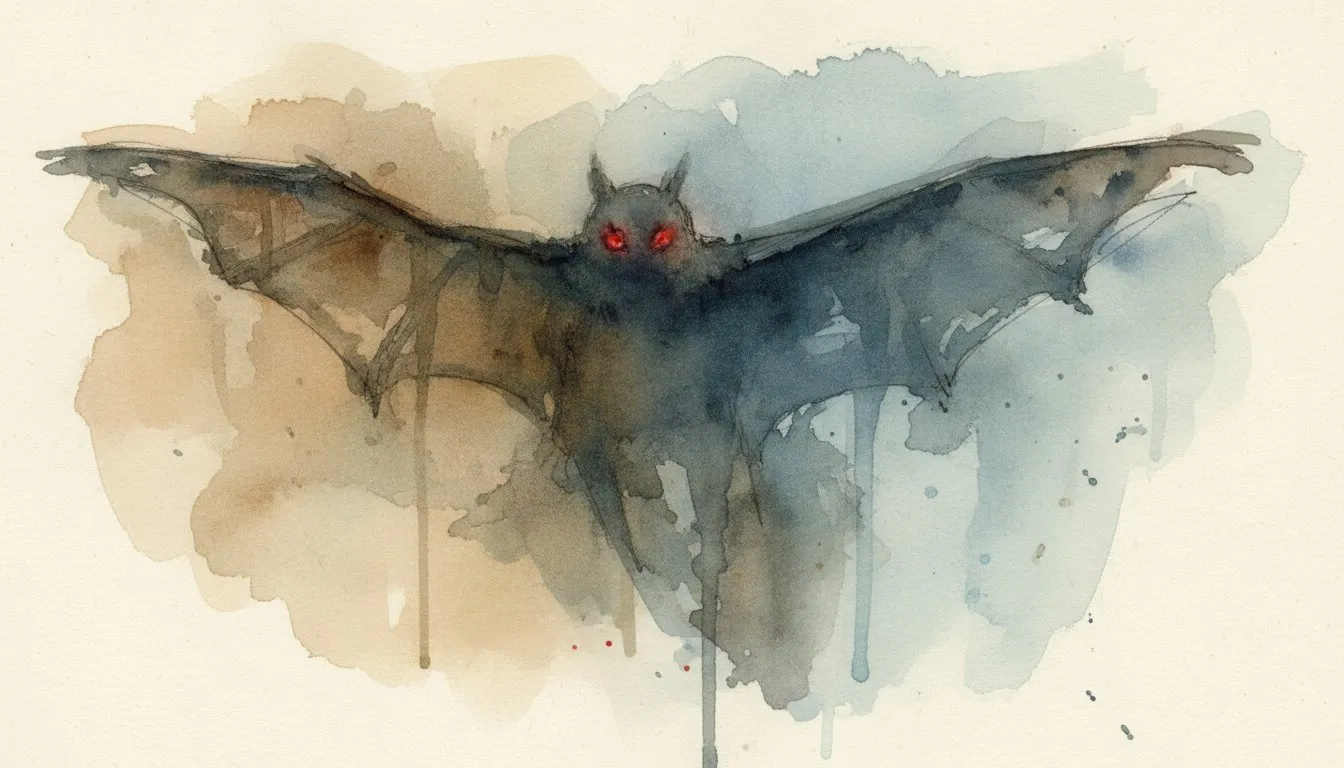
Mothman
UnknownA winged humanoid with blazing red eyes, haunting Point Pleasant before disaster struck.
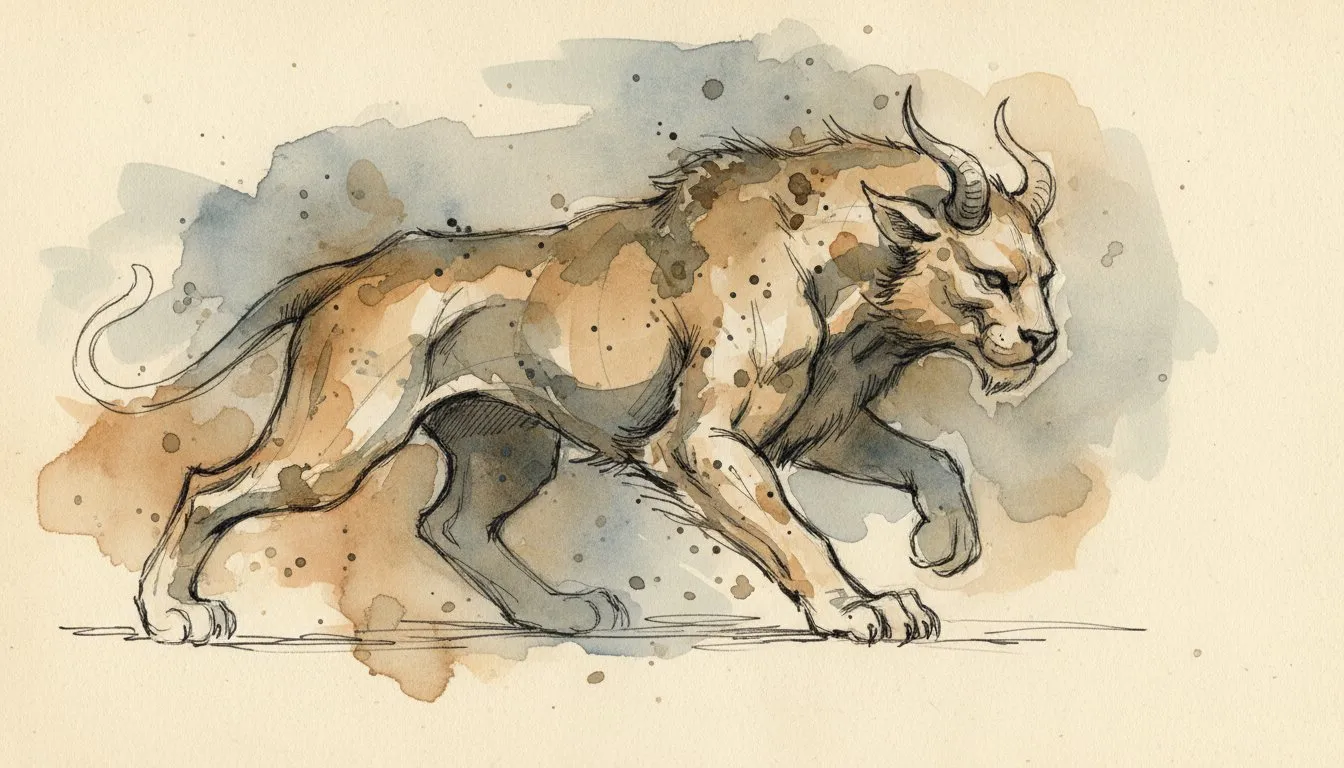
Wampus Cat
HighA six-legged panther-witch from Cherokee legend that screams through Appalachian hollows.