
Cryptids by State: The Complete U.S. Field Guide
# Cryptids by State: The Complete U.S. Field Guide
No country on Earth produces more cryptid sightings than the United States. From the fog-wrapped forests of the Pacific Northwest to the blackwater swamps of the Deep South, every single state has at least one creature that science cannot explain. Some have a dozen.
This is not an accident. The U.S. contains nearly every biome on the planet. Dense old-growth timber, vast desert basins, thousands of miles of uncharted cave systems, and freshwater lakes so deep their floors have never been mapped. Add centuries of Indigenous oral tradition, waves of settler folklore, and a modern culture obsessed with the unknown, and you get the most cryptid-dense nation in recorded history.
This guide covers the highlights. For the full breakdown, visit each state page below.
Northeast
The Northeast is old. Its forests predate the nation by millennia, and its creature reports stretch back just as far.
New Jersey cryptids are dominated by one legend above all others. The Jersey Devil has haunted the Pine Barrens since the 1700s, a winged, hooved creature with a shriek that carries for miles. Mass sightings in 1909 shut down schools and factories across two states.
In New York, Lake Champlain hides Champ, a lake serpent with over 300 documented sightings. Across New England, reports of the Dover Demon in Massachusetts and the Beast of Busco in the surrounding region keep investigators busy.
Vermont cryptids and Maine cryptids lean heavily toward lake monsters and forest giants, creatures that thrive in territory where cell service drops to zero.
Southeast
The South is swamp country, and swamps breed legends.
Florida's most famous resident is not a gator. The Skunk Ape prowls the Everglades, described as a foul-smelling, ape-like biped standing six to seven feet tall. Florida cryptids also include reports of giant aquatic serpents in the inland waterways.
West Virginia cryptids center on Point Pleasant, where the Mothman was spotted repeatedly in 1966 and 1967 before the Silver Bridge collapse killed 46 people. The connection between the sightings and the disaster has never been explained.
The Lizard Man of Scape Ore Swamp stalks the wetlands of South Carolina. Seven feet tall, green-scaled, and aggressive enough to tear apart cars. Reports began in 1988 and have never fully stopped.
Deep in the bayous of Louisiana, the Rougarou carries on a werewolf tradition rooted in French Cajun folklore.
Midwest
Flat land, open sky, and something moving through the corn at night.
The Beast of Bray Road turned rural Wisconsin into a hotspot for canine cryptid research. Witnesses describe an upright wolf-like creature prowling the back roads outside Elkhorn. Sightings started in 1989 and continue today.
Ohio cryptids include the Loveland Frogman, a bipedal amphibian first reported by police officers in 1955. Michigan contributes the Michigan Dogman, a seven-foot canine biped with a sighting cycle that peaks every ten years.
The Midwest's vast agricultural landscape creates ideal conditions for sightings. Low population density, minimal light pollution, and miles of unmonitored terrain between towns.
Southwest
Desert heat, canyon shadows, and a long history of things that should not be there.
Texas cryptids range from the Chupacabra, the livestock-draining predator that crossed north from Latin American folklore, to the ghostly lights of Marfa that have defied explanation since the 1880s.
The Mogollon Monster roams the rim country of Arizona, described as a Bigfoot-type creature adapted to the high desert. New Mexico contributes both Skinwalker lore rooted in Navajo tradition and ongoing reports of subterranean creatures near Dulce.
Rocky Mountain West
High altitude, deep wilderness, and some of the least-explored terrain in the lower 48.
Colorado cryptids include the Slide-Rock Bolter, a bizarre creature from mining-era folklore said to launch itself down mountainsides at prey. Montana and Idaho sit in prime Bigfoot territory, with sighting clusters along the Continental Divide.
The Jackalope, while often dismissed as a tourist gag, traces back to genuine frontier reports of horned rabbits in Wyoming. Some researchers link these accounts to rabbits infected with the Shope papilloma virus, which produces horn-like growths.
Pacific Northwest
This is the epicenter. No region on Earth has produced more Bigfoot reports.
Washington cryptids and Oregon cryptids are dominated by Bigfoot sightings. The Patterson-Gimlin film was shot in Northern California in 1967, but the densest concentration of ongoing reports falls in the rain-soaked forests of Washington and Oregon. Old-growth canopy so thick that sunlight barely reaches the forest floor. Thousands of square miles where a large primate could feasibly avoid detection.
California adds the Dark Watchers, tall featureless silhouettes observed along the Santa Lucia Mountains since the Chumash people first recorded them. John Steinbeck wrote about them. They are still seen today.
Alaska stands apart. Alaska cryptids include multiple traditions of giant aquatic creatures in the state's frigid coastal waters, plus inland reports of massive bear-like creatures that dwarf the already enormous Kodiak brown bear.
Hawaii and the Territories
Even Hawaii has its own cryptid traditions. The Mo'o, a shape-shifting lizard entity from Hawaiian mythology, guards freshwater pools across the islands. These are not casual campfire stories. They are deeply embedded in Native Hawaiian cultural practice.
Why the U.S. Produces So Many Cryptid Sightings
Three factors converge in the United States unlike anywhere else.
Geography. The U.S. contains rainforest, tundra, desert, swamp, alpine peaks, and oceanic trenches. Nearly every ecological niche is represented. If a large unknown animal could survive somewhere, a suitable habitat exists within these borders.
Cultural layering. Indigenous peoples maintained detailed oral records of unusual creatures for thousands of years. European settlers brought their own monster traditions. Modern media amplified everything. Each wave added new creatures to the roster without erasing the old ones.
Wilderness scale. The U.S. contains roughly 640 million acres of federal land alone. Much of it is rarely visited by humans. The idea that large animals could remain undetected in these spaces is not fantasy. New species are still being formally identified every year.
Explore the Full Map
This guide covers the highlights, but every state has more to offer. Visit individual state pages for the complete breakdown of sightings, history, and ongoing investigations.
Ready to go deeper? Browse all cryptids in the vault, or pick a state and start exploring. The field is wide open.
Your field journal is waiting.
Creatures mentioned in this post
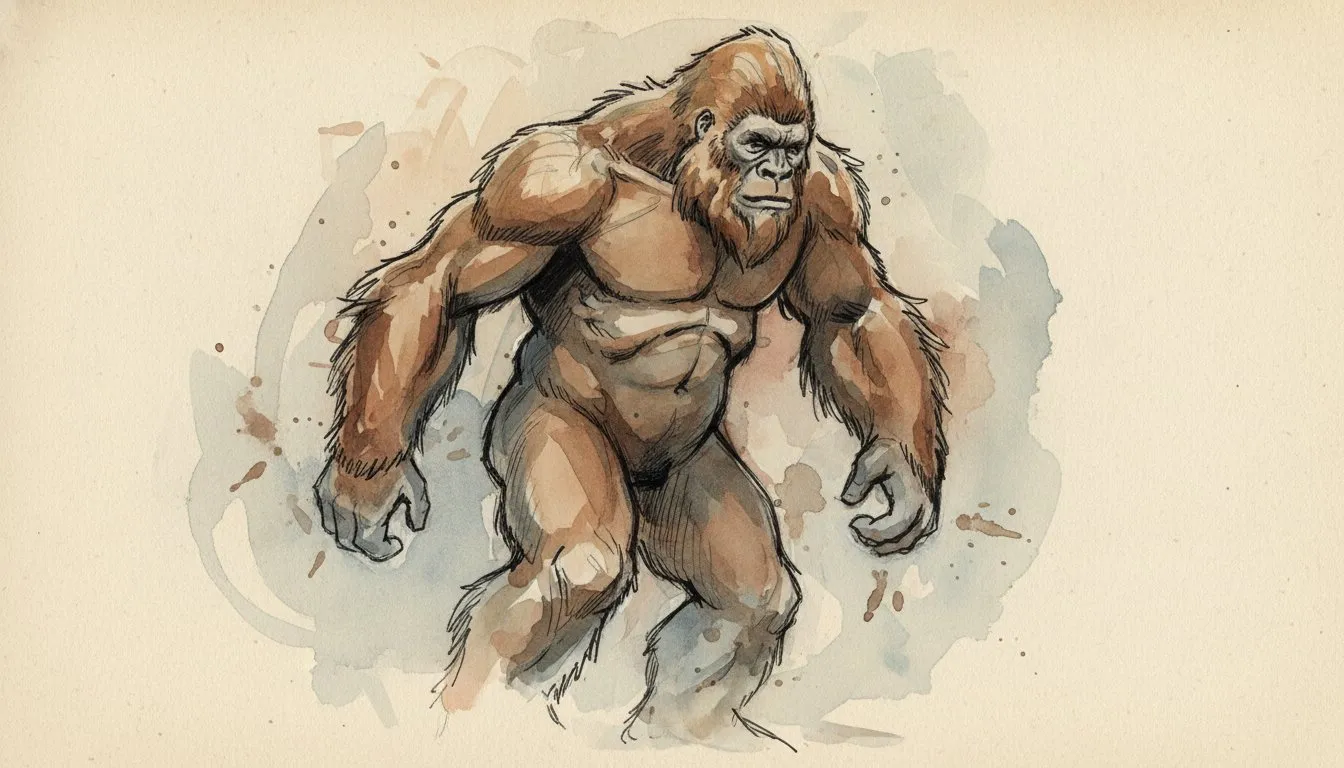
Bigfoot
The towering ape-man of the Pacific Northwest, glimpsed in fog and legend for centuries.
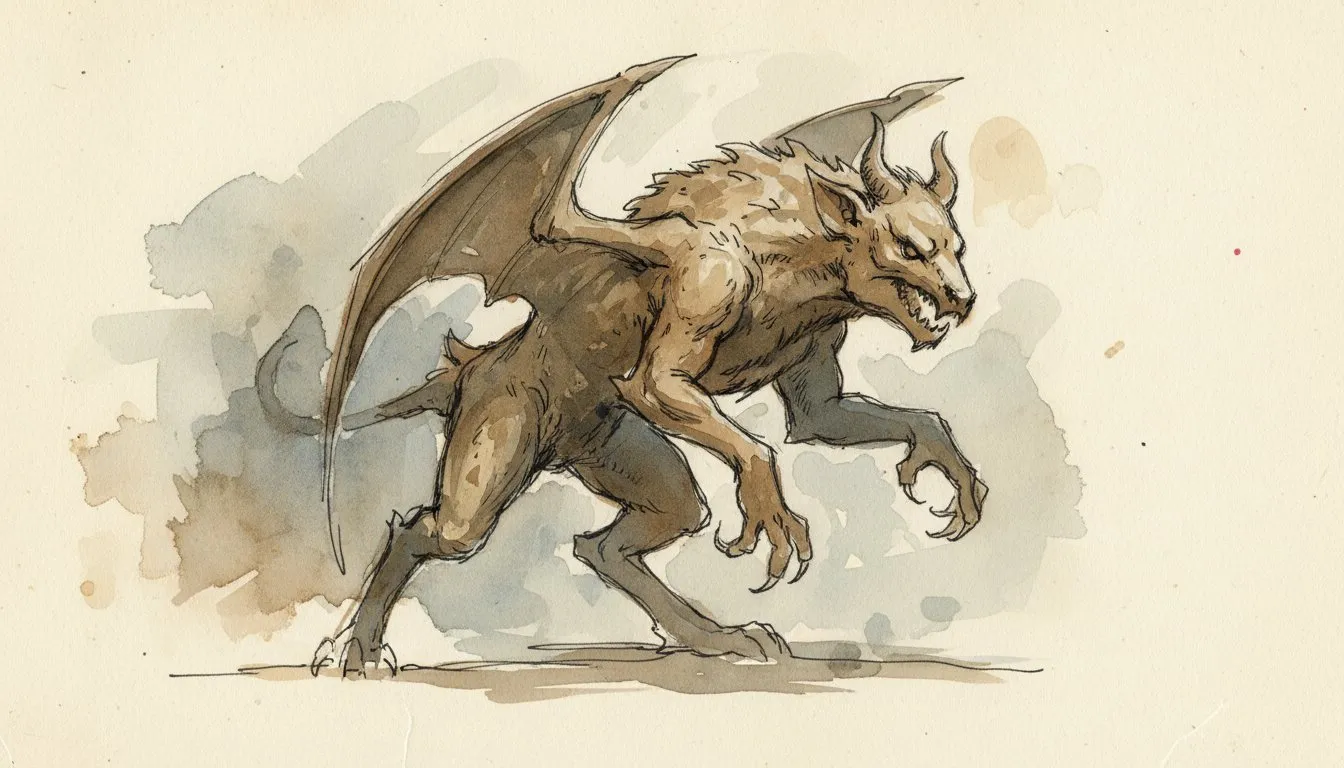
Jersey Devil
A bat-winged, hoofed terror born from a colonial curse in the Pine Barrens.
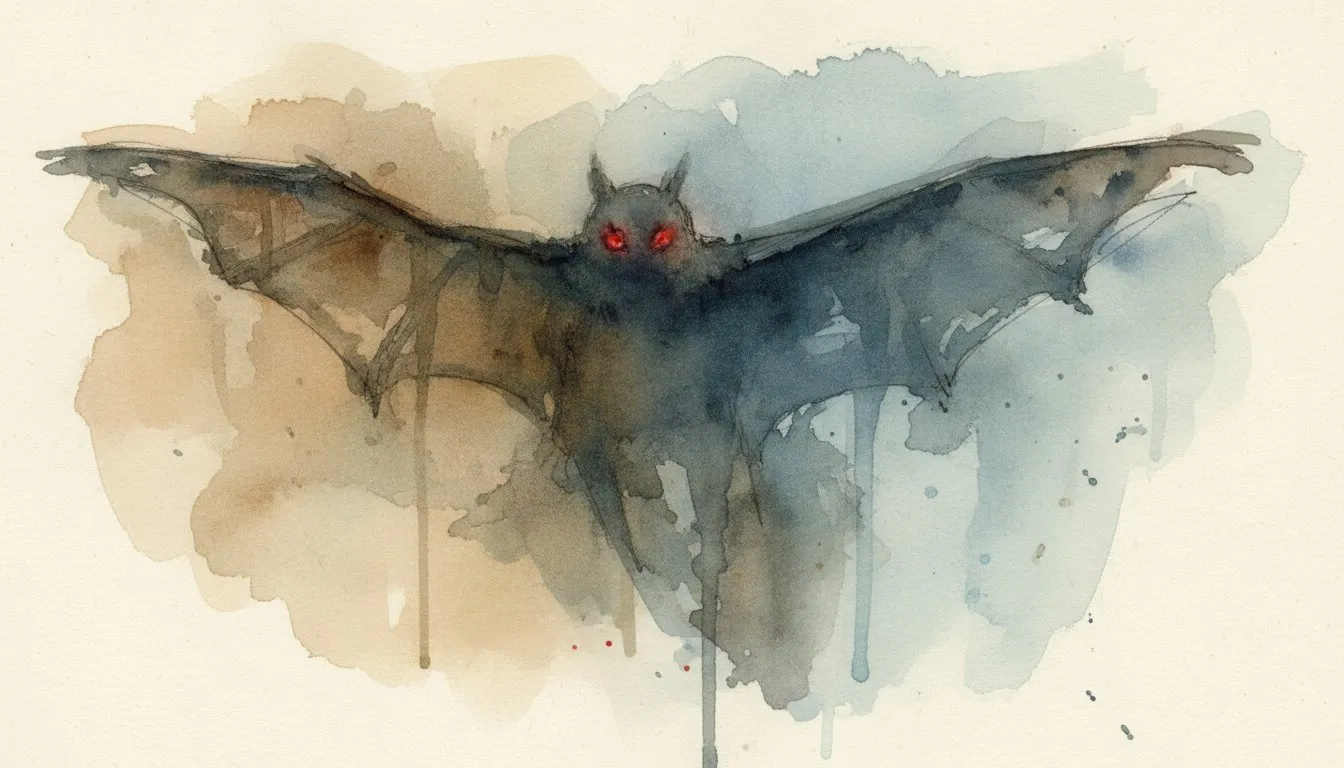
Mothman
A winged humanoid with blazing red eyes, haunting Point Pleasant before disaster struck.
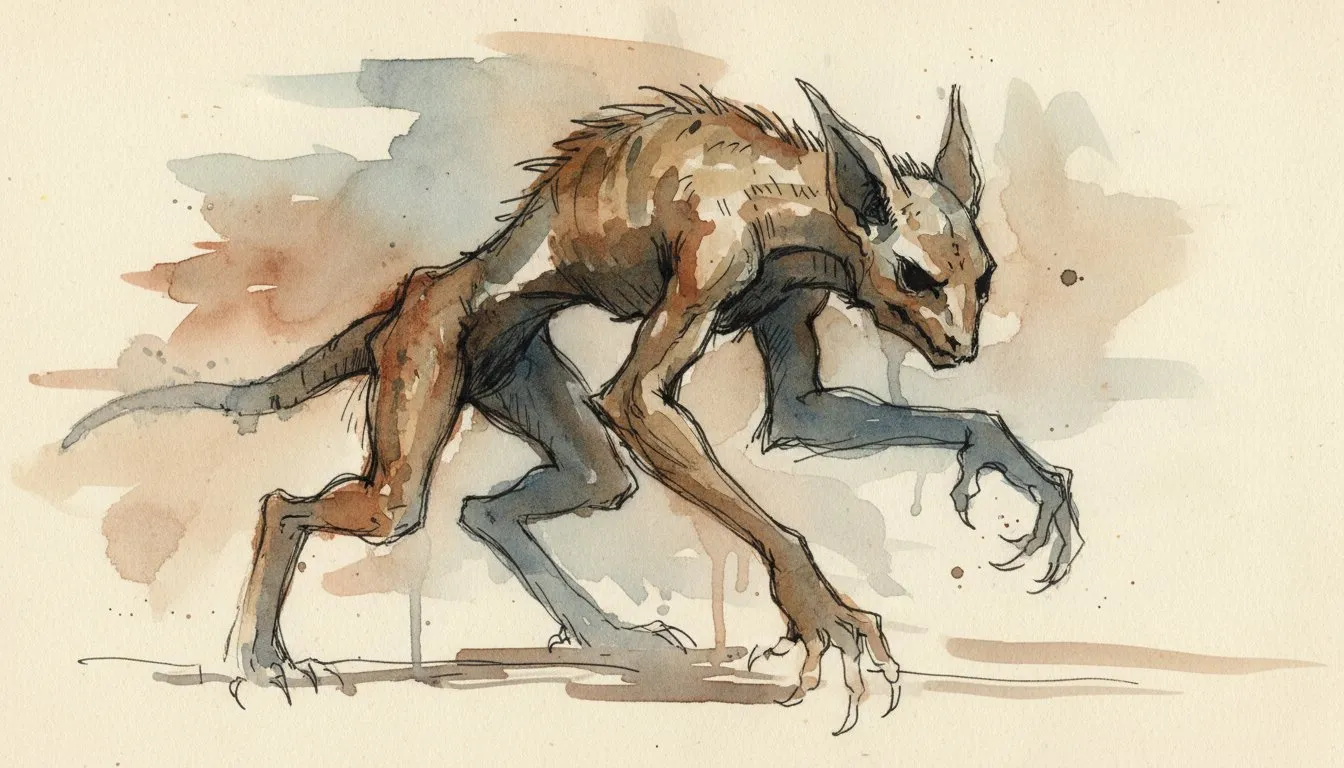
Chupacabra
The blood-draining predator that left livestock drained across Latin America.