Real Animals That Were Once Considered Cryptids
Science Catches Up
The word "cryptid" carries a lot of baggage. It implies something fake, something that true believers insist is real while serious people roll their eyes. But history tells a different story. Some of the most well-known animals on the planet were considered fantasy, folklore, or outright hoax before science accepted them.
Here are the animals that were cryptids before they were real.
Platypus
When the first platypus specimen arrived in England in 1799, scientists thought it was a taxidermy hoax, a duck's bill sewn onto a beaver's body. A mammal that laid eggs, had venomous spurs, and detected prey through electroreception in its bill? Impossible. It took years of study before the scientific community accepted that the platypus was a single, real animal and not a prank.
Okapi
European explorers in central Africa heard local accounts of a horse-like forest creature with striped legs for decades. They dismissed it as confused descriptions of zebras. In 1901, Sir Harry Johnston obtained skin and skull fragments that proved the okapi was real, a relative of the giraffe living in the dense Ituri Forest of the Congo. The same forest where people report Mokele-mbembe today.
Giant Squid
Sailors described enormous squid attacking ships for centuries. Scientists called it exaggeration. The kraken legend, based on encounters with these animals, was treated as mythology. It wasn't until the 1870s that intact specimens began washing ashore, proving that cephalopods exceeding 40 feet existed. A live giant squid wasn't filmed until 2004. The Kraken of legend was real all along, just not as dramatic as the stories.
Mountain Gorilla
Western science didn't acknowledge the mountain gorilla until 1902, when a German officer shot two in the Virunga Mountains. Before that, local accounts of large, powerful apes in the mountain forests were dismissed as exaggeration or confusion with chimpanzees. Today, the mountain gorilla is one of the most studied primates on Earth.
Komodo Dragon
Rumors of giant lizards on Indonesian islands circulated among colonial administrators for years. The Komodo dragon wasn't formally described until 1912, when a Dutch colonial official confirmed the existence of lizards exceeding 10 feet in length. Before that, reports were treated as tropical tall tales.
Coelacanth
This one breaks the rules. The coelacanth was known from fossils and believed to have gone extinct 66 million years ago, along with the dinosaurs. In 1938, a living specimen was pulled from the waters off South Africa. It's the most dramatic example of an animal science was certain didn't exist turning up alive.
What This Means
None of this proves that Bigfoot or the Loch Ness Monster are real. But it does prove that the argument "science would have found it by now" has been wrong before. Repeatedly.
The ocean remains mostly unexplored. Dense forests in the Congo, Amazon, and Southeast Asia harbor species that haven't been catalogued. The Thylacine was declared extinct in 1936, but credible sighting reports from Tasmania continue to this day. Steller's Sea Cow was hunted to extinction in 1768, or was it?
The line between cryptid and real animal has always been thinner than we think.
Creatures mentioned in this post
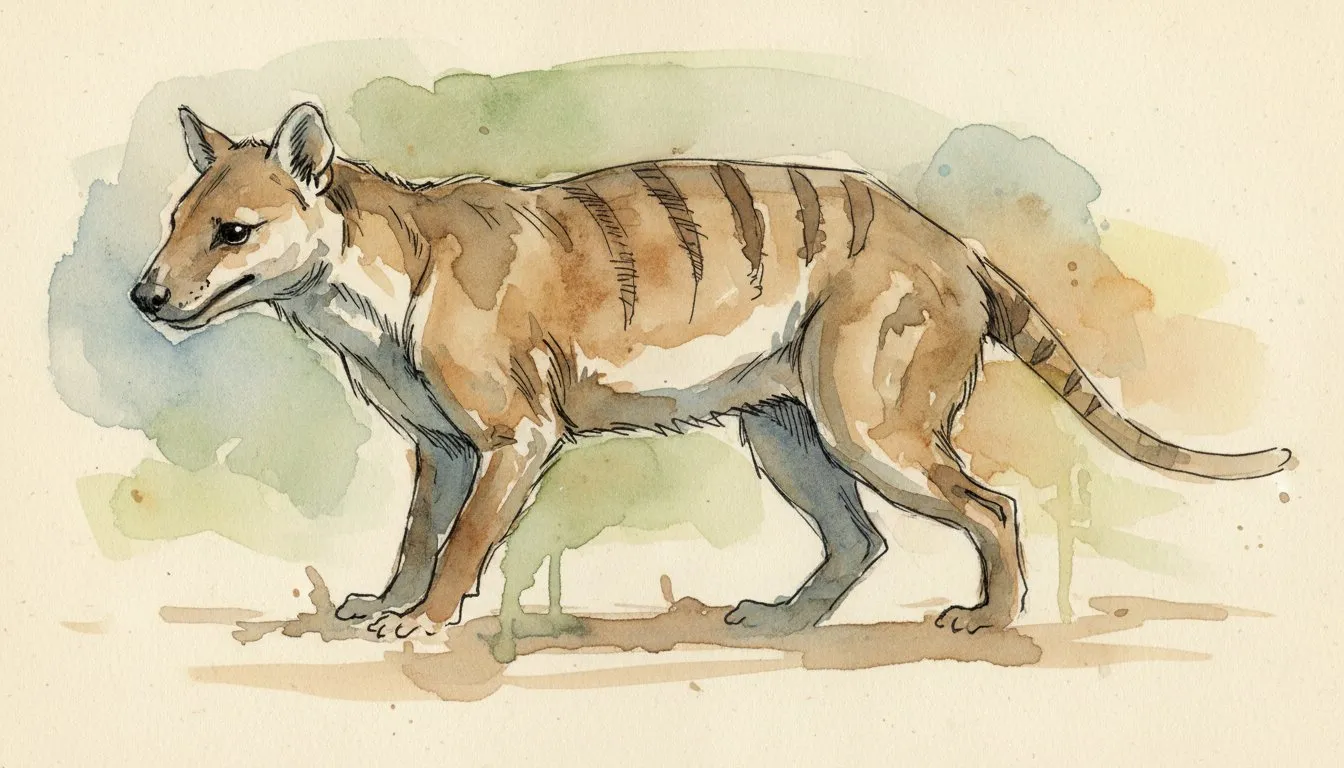
Thylacine
LowOfficially extinct since 1936, the Tasmanian tiger is the subject of more credible survival sightings than almost any other lost species.
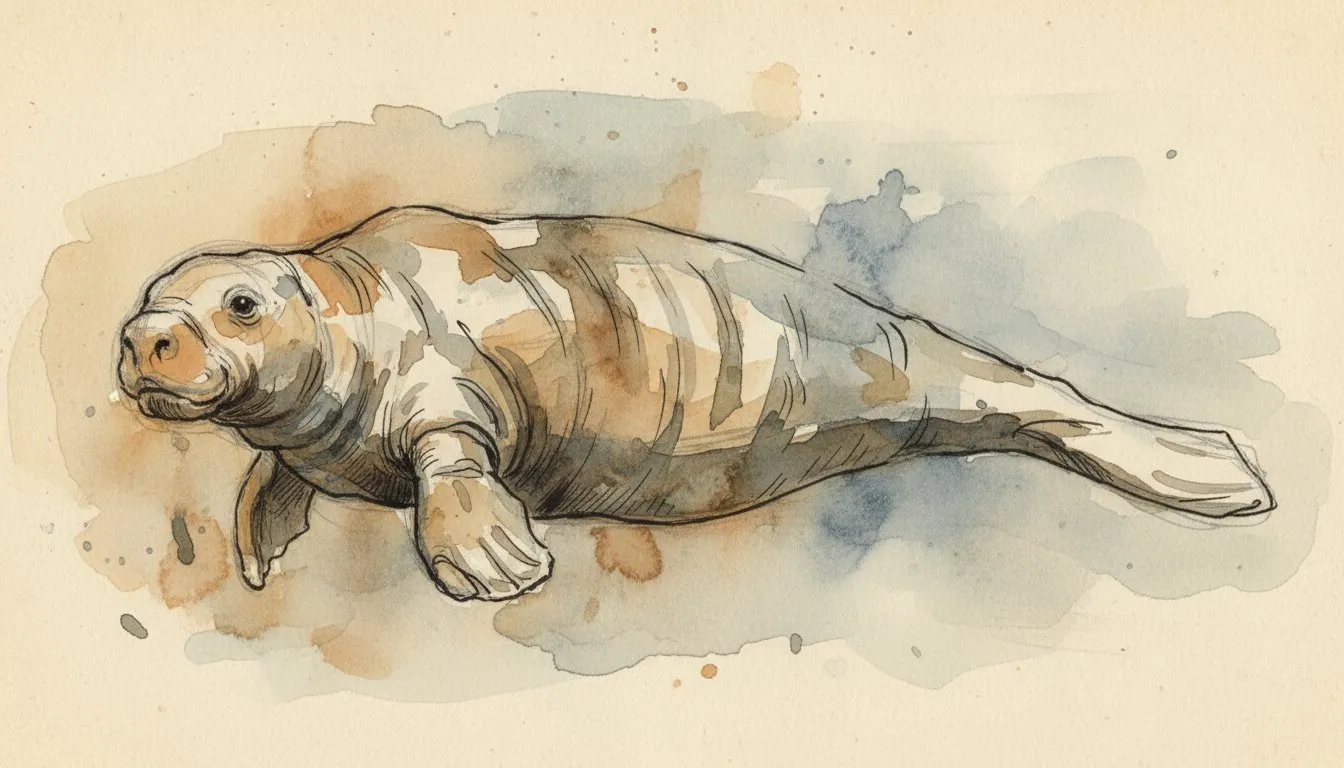
Steller's Sea Cow
LowHunted to extinction just 27 years after Western science discovered it, some believe pockets of this gentle giant survive in remote Arctic waters.
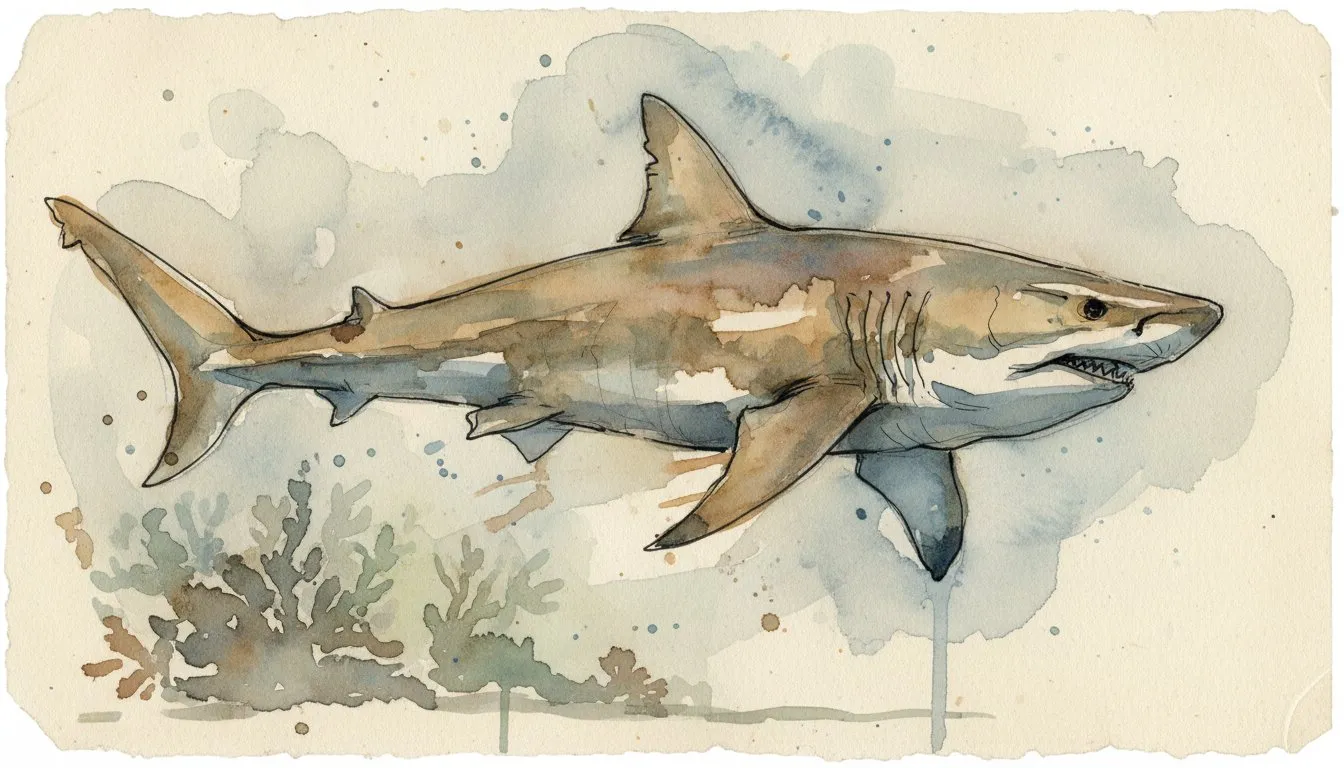
Megalodon
HighThe largest shark that ever lived went extinct 3.6 million years ago, unless the deep ocean is hiding something.