
Sea Serpents: The Case for Something Real in the Ocean
The Ocean Has Done This Before
In 1938, a South African museum curator named Marjorie Courtenay-Latimer spotted a strange fish in a local catch. It was five feet long, steel blue, and covered in thick, armor-like scales. Scientists identified it as a coelacanth, a species the fossil record said had been extinct for 65 million years. It had been swimming in the Indian Ocean the entire time. Nobody had bothered to look.
In 2004, Japanese researchers captured the first photographs of a living giant squid in its natural habitat. For centuries, sailors had described massive tentacled creatures dragging men from ships. Science called them liars. The giant squid turned out to be real, reaching lengths over 40 feet, with eyes the size of dinner plates. It had been living in the deep ocean all along.
These are not fringe cases. These are peer-reviewed, museum-specimen, textbook-rewriting discoveries. And they share a pattern. Something large. Something reported for centuries. Something dismissed as legend. Something eventually confirmed.
The question is whether that pattern has finished playing out.
71% Unknown
The ocean covers roughly 71% of Earth's surface. As of 2025, less than 25% of the ocean floor has been mapped to modern resolution standards. Below 1,000 meters, sunlight disappears entirely. Below 4,000 meters, the pressure would crush a human body flat. The Mariana Trench drops to nearly 36,000 feet, deeper than Mount Everest is tall.
We know more about the surface of Mars than we do about the bottom of our own oceans.
New marine species are still being described at a rate of roughly 2,000 per year. Most are small. Invertebrates, fish, microorganisms. But not all. In 1976, a U.S. Navy research vessel hauled up a previously unknown species of shark. It was 15 feet long and weighed 1,650 pounds. Scientists named it the megamouth shark. It had never been documented before. Not once.
If a 15-foot shark can avoid detection until the late 20th century, the argument that "we would have found large sea creatures by now" does not hold up.
The Naval Officers Who Signed Their Names
On August 6, 1848, the crew of HMS Daedalus observed a large creature in the South Atlantic between the Cape of Good Hope and St. Helena. Captain Peter M'Quhae described it as roughly 60 feet in length, dark brown in color, with a head held above the surface. The creature moved steadily through the water without any visible means of propulsion like fins or flippers.
What makes this sighting difficult to dismiss is the response. M'Quhae submitted a formal report to the Admiralty. Multiple officers corroborated the account. These were Royal Navy men with careers to protect. Fabricating a sea monster sighting would have ended those careers, not advanced them.
The HMS Daedalus case is not unique. Naval logs from the 18th and 19th centuries contain dozens of similar reports. Officers, surgeons, and navigators, trained observers whose professional reputations depended on accurate reporting, described elongated creatures that matched no known species. The Gloucester Sea Serpent was reported by hundreds of witnesses over multiple summers off the Massachusetts coast. A special committee from the Linnaean Society of New England investigated in 1817.
Skepticism is appropriate. Dismissal is not the same thing as skepticism.
What Washes Ashore
Then there are the carcasses. Unidentified masses of flesh and bone that appear on beaches around the world. Cryptozoologists call them globsters, a term coined by Ivan Sanderson in 1962 after a massive, hairy, boneless mass washed up in Tasmania.
Most globsters are eventually identified through DNA analysis as decomposed whale blubber or basking shark remains. Decomposition does strange things to marine tissue. Collagen fibers can create the appearance of hair or fur. Cartilaginous skeletons dissolve, leaving shapeless masses that look alien.
But not every case is so neatly resolved. Trunko, a creature reportedly seen battling two orcas off the coast of South Africa in 1924, washed ashore as a massive white-furred carcass. Witnesses described it as 47 feet long with a trunk-like appendage. No definitive identification has ever been made.
These cases do not prove the existence of unknown species. But they demonstrate that the ocean regularly produces biological material we struggle to explain. That should make us cautious about certainty in either direction.
Candidates in the Water
If large unidentified marine creatures do exist, what might they be?
The Kraken has already been partially vindicated by the discovery of giant and colossal squid. But some accounts describe creatures far larger than any confirmed specimen. The largest known giant squid measured around 43 feet. Some historical reports describe tentacled creatures exceeding 100 feet. Colossal squid in the Southern Ocean may grow larger than current records suggest. We have never observed one alive in the wild.
Con Rit, the Vietnamese sea serpent, was described by locals as a segmented, armored creature resembling an enormous centipede. In 1883, a large carcass with apparent segmented armor washed ashore at Along Bay. The description is strange enough to be interesting and specific enough to resist easy explanation.
Cadborosaurus, or "Caddy," has been reported in the waters of the Pacific Northwest for over a century. Descriptions consistently mention a long neck, a horse-like head, and a serpentine body. In 1937, a strange carcass was reportedly found in the stomach of a sperm whale at a whaling station in Naden Harbour, British Columbia. Photographs exist but are inconclusive.
Morgawr, the Cornish sea serpent, has been sighted off the coast of Falmouth, England, since the 1970s. Multiple independent witnesses have described a long-necked, humped creature in the waters near Pendennis Point.
These are not identical creatures reported in one location by one group of people. They span continents, centuries, and cultures with no historical contact between them.
The Pattern That Matters
Every culture with a coastline has sea serpent legends. Norse, Japanese, West African, Polynesian, Indigenous Australian, Mediterranean, Celtic. These traditions developed independently, separated by thousands of miles and thousands of years. Yet the descriptions share core features. Elongated bodies. Movement through water that does not match known animals. Size that exceeds anything catalogued.
Convergent mythology is worth taking seriously. When unrelated cultures describe the same phenomenon, the simplest explanation is not coordinated fiction. It is shared observation.
This does not mean 60-foot dragons are prowling the Atlantic. It means the ocean almost certainly contains large species we have not yet documented. Not monsters. Megafauna. Animals that are rare, deep-dwelling, and well-adapted to avoiding the one predator that might care to classify them.
The giant squid hid for centuries. The coelacanth hid for 65 million years. The megamouth shark hid until 1976. The ocean is very, very good at keeping secrets.
The real question is not whether something is out there. The real question is how long it will take us to stop being surprised when we find it.
Creatures mentioned in this post
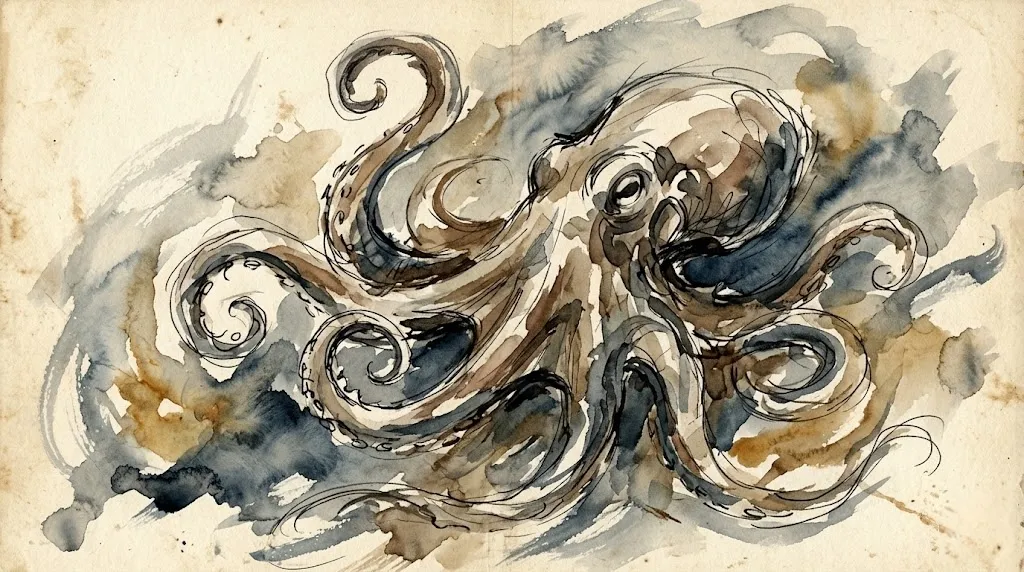
Kraken
The ship-swallowing sea beast of Norse legend, now partially explained by giant squid.
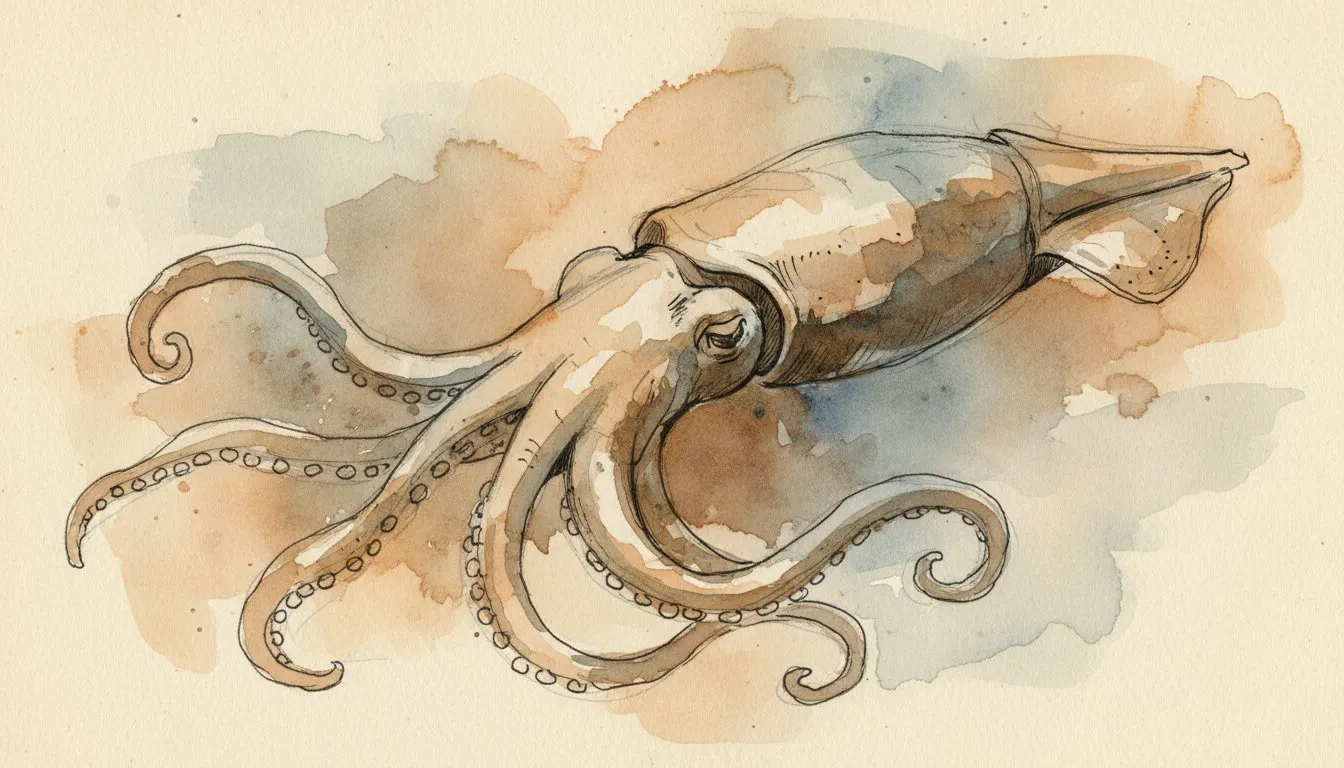
Con Rit
A segmented, armored sea creature with dozens of lateral fins, washed ashore in Vietnam in 1883.
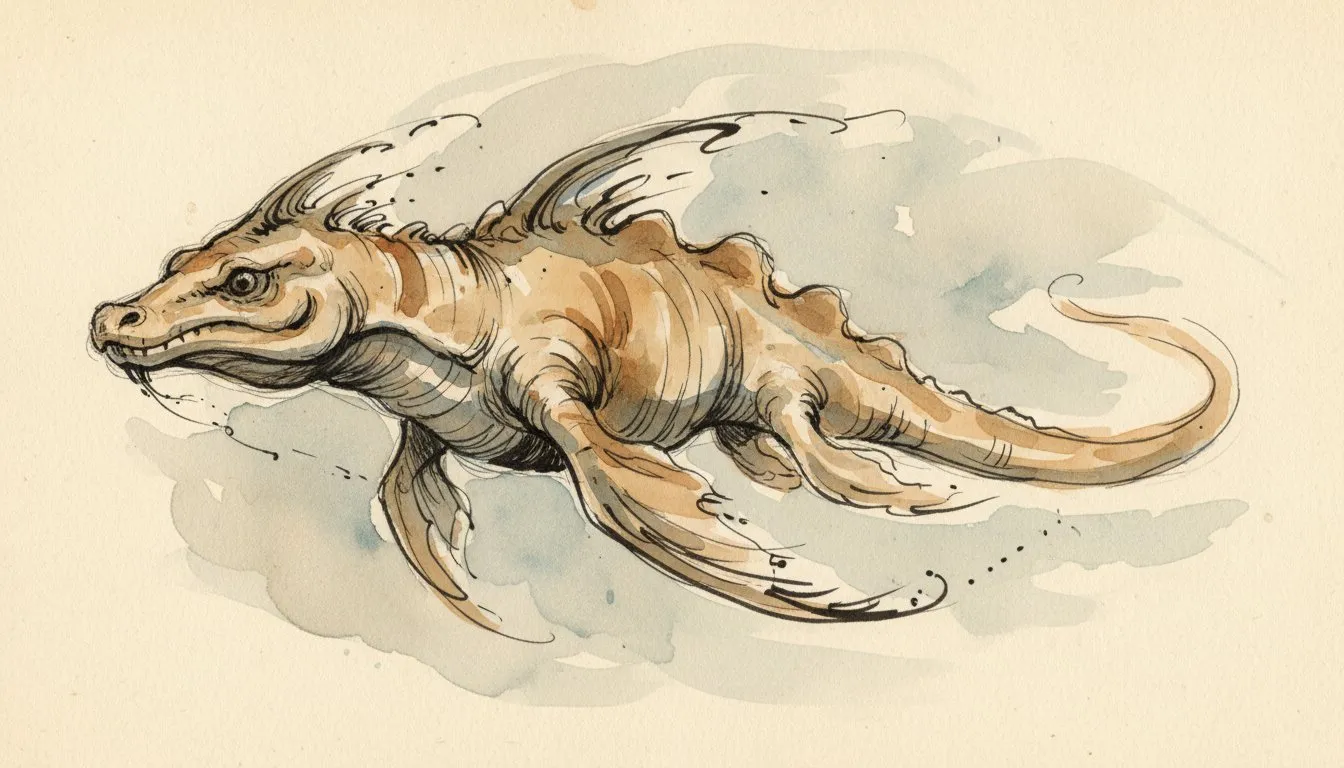
Cadborosaurus
A horse-headed sea serpent weaving through the waters of the Pacific Northwest.
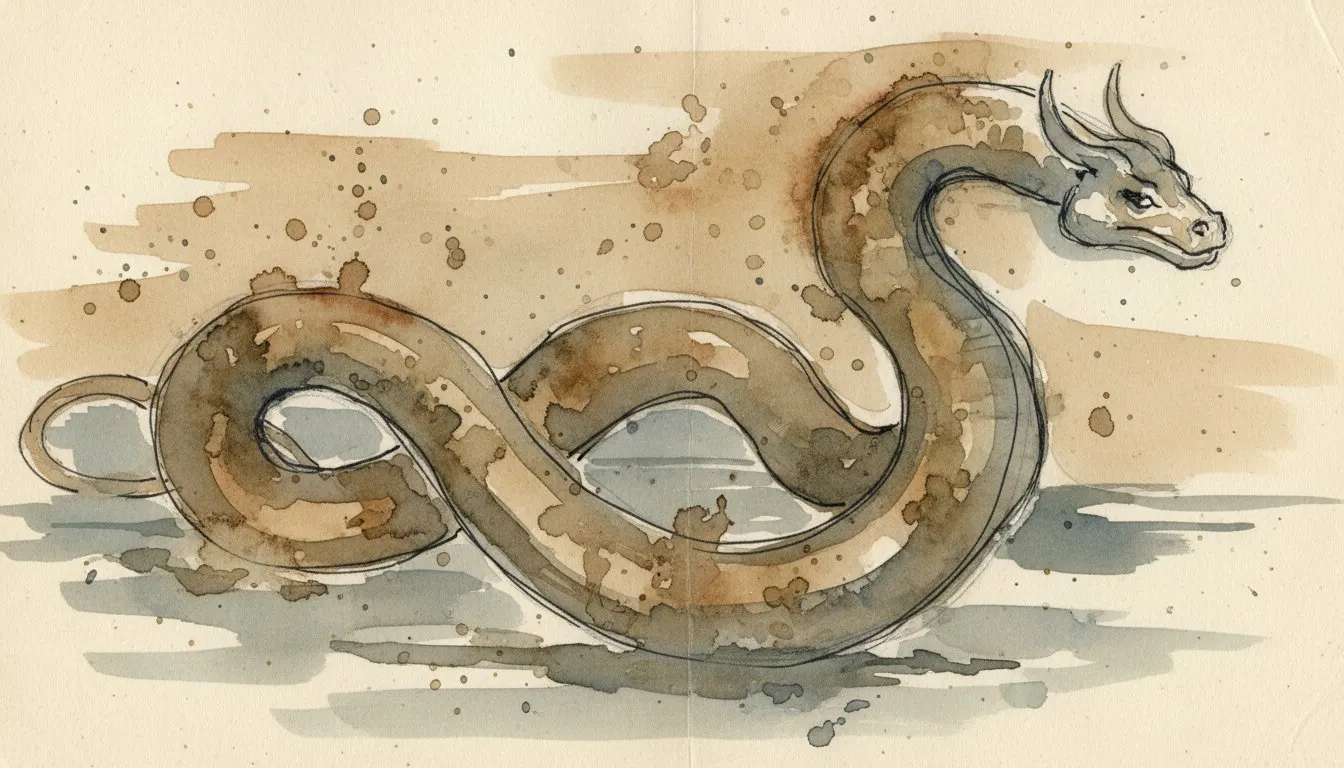
Gloucester Sea Serpent
Hundreds of witnesses watched a giant serpent patrol Gloucester Harbor for weeks in 1817.