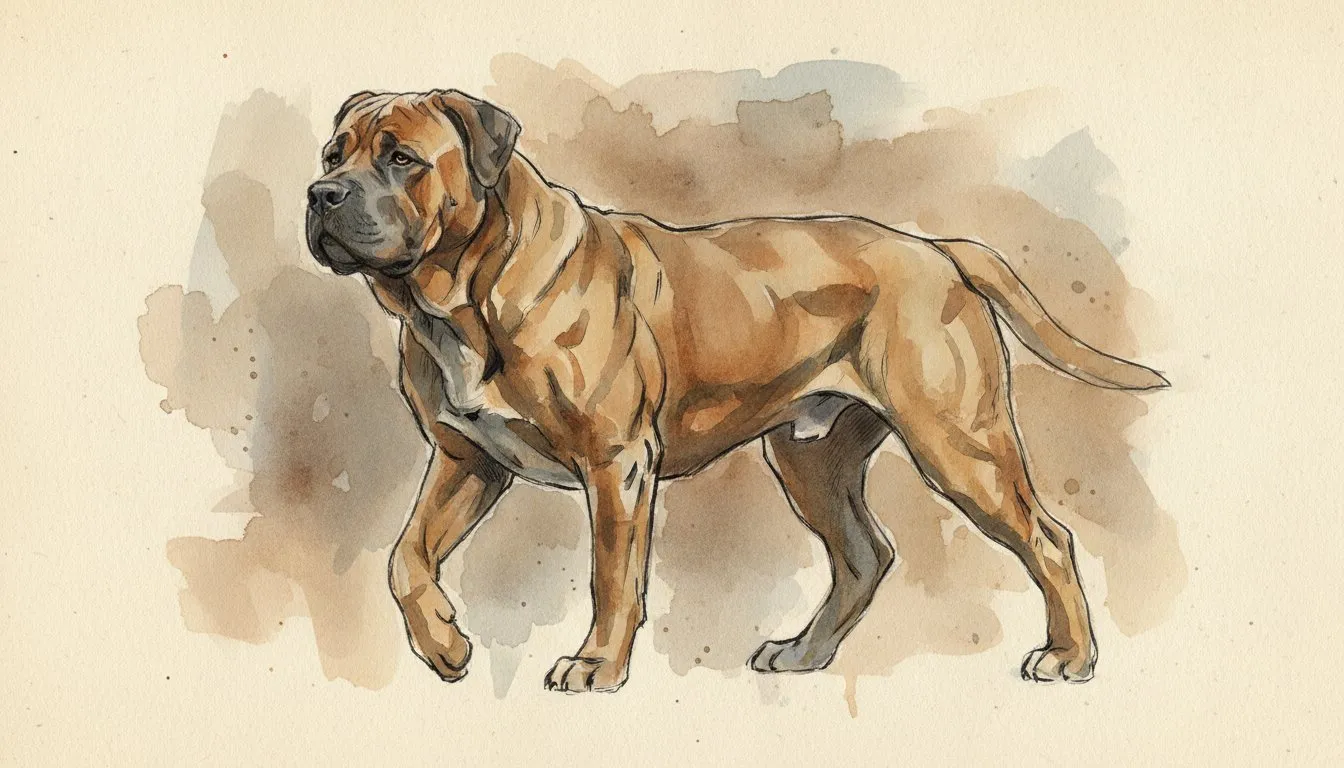
Pressie
Also known as: Lake Superior Monster, Mishipeshu
The largest Great Lake may harbor the largest Great Lake monster, a creature linked to Ojibwe legends of the underwater panther.
Ojibwe oral tradition (ancient), modern reports from 1800s
Lake Superior, U.S.-Canada border
30-75 feet long (modern estimates)
Powerful, associated with storms
Occasional sightings from boaters and fishermen
The Lore
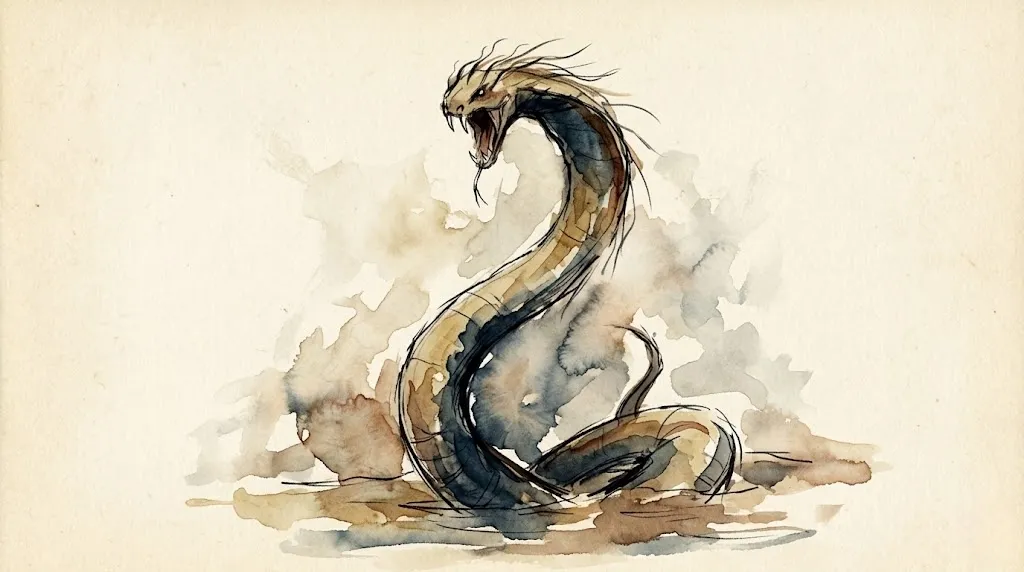
Pressie is the informal name for a large aquatic creature reported in Lake Superior, the largest freshwater lake by surface area in the world. Ojibwe tradition describes Mishipeshu, a powerful underwater panther or serpent that controls the lake's storms and currents. Modern sightings describe a long, dark creature with a serpentine body moving through the water at considerable speed. Lake Superior is up to 1,332 feet deep and cold enough year-round to preserve almost anything that sinks into it. The lake's immense size and depth make it one of the more plausible settings for a large undiscovered animal.
Body Type
Folklore Origin
Similar Real Animals
You might also like
Manipogo
LowLake Manitoba's serpentine lake monster has been reported by Indigenous communities for centuries and photographed at least twice.
Memphre
LowA lake monster lurks in the cross-border waters of Lake Memphremagog, spotted from both the Quebec and Vermont shores.
Morgawr
LowA humped sea serpent has been spotted off the coast of Cornwall since the 1900s, sometimes close enough to shore that beachgoers scatter.
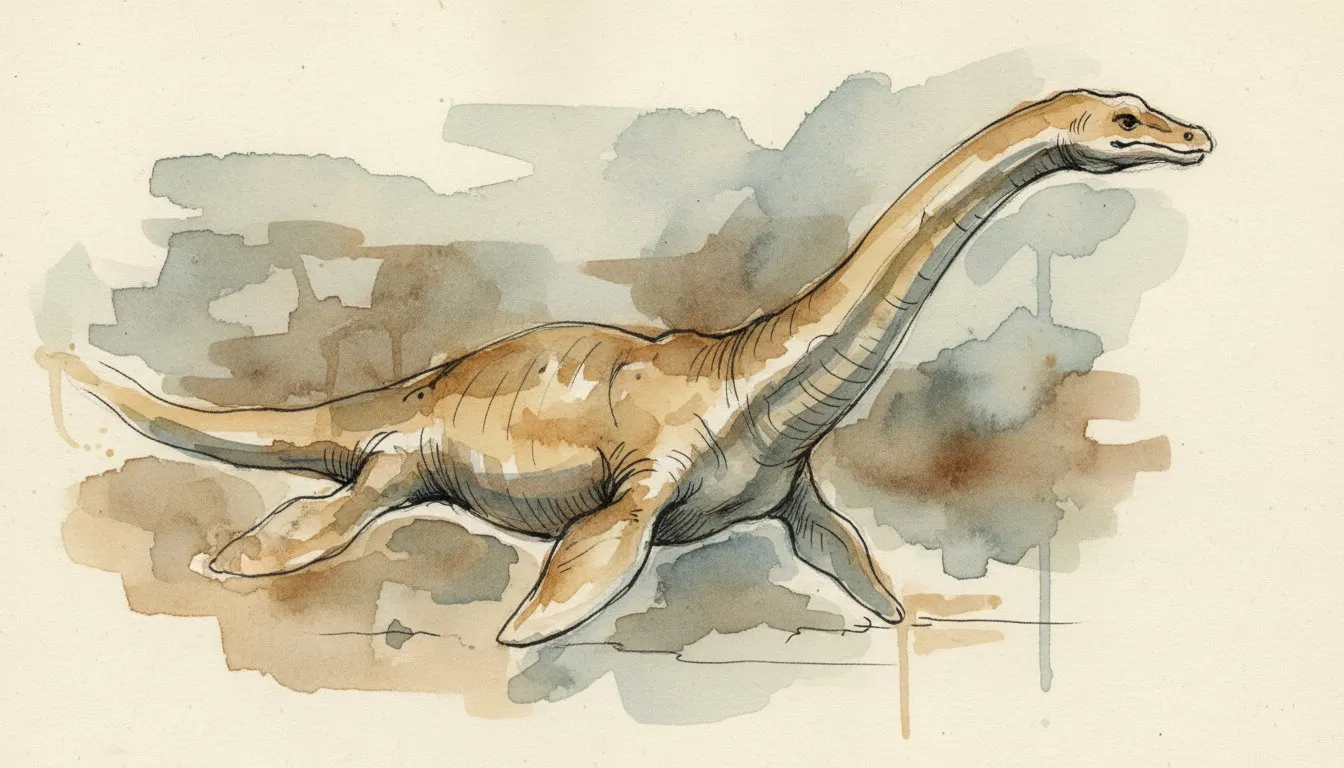
Morag
LowScotland's other lake monster lurks in the deepest freshwater loch in the British Isles, far from the tourist cameras of Loch Ness.
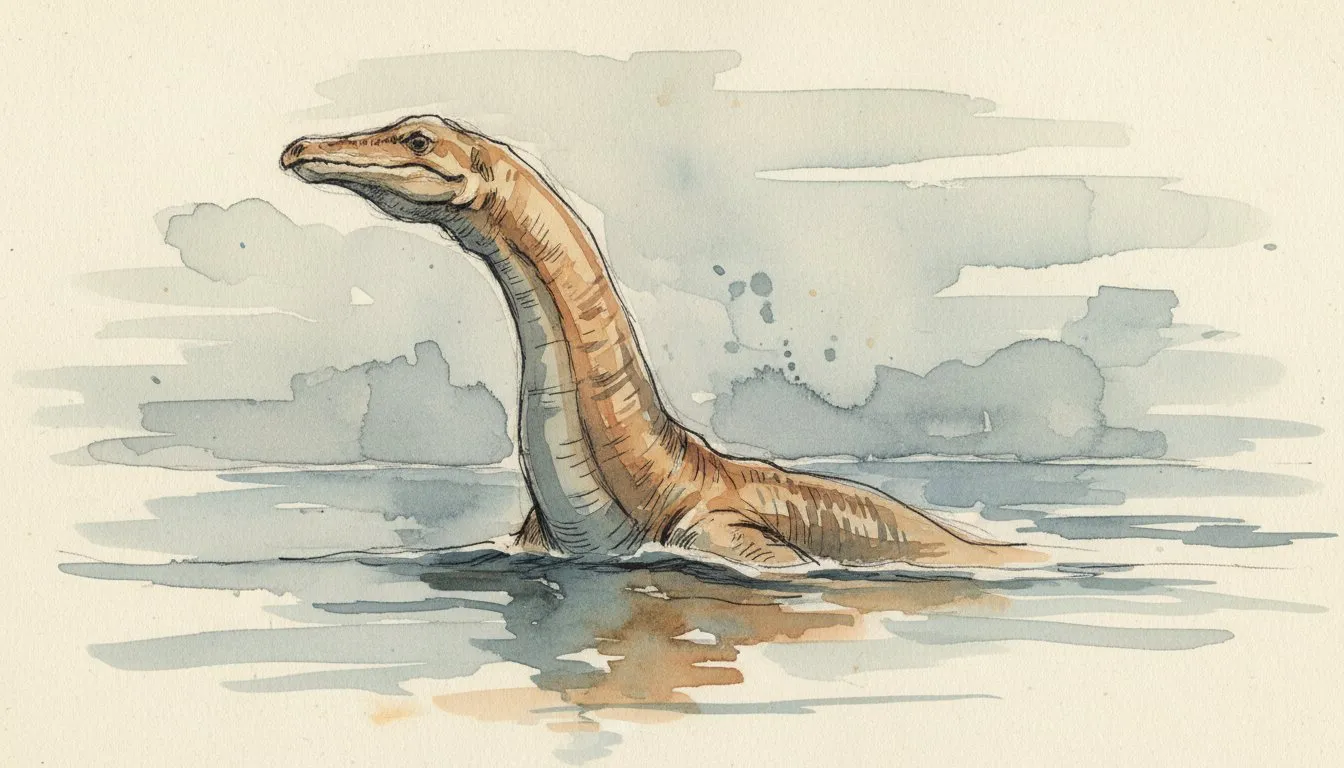
Nahuelito
LowSomething enormous has been surfacing in an Argentine lake for over a century.
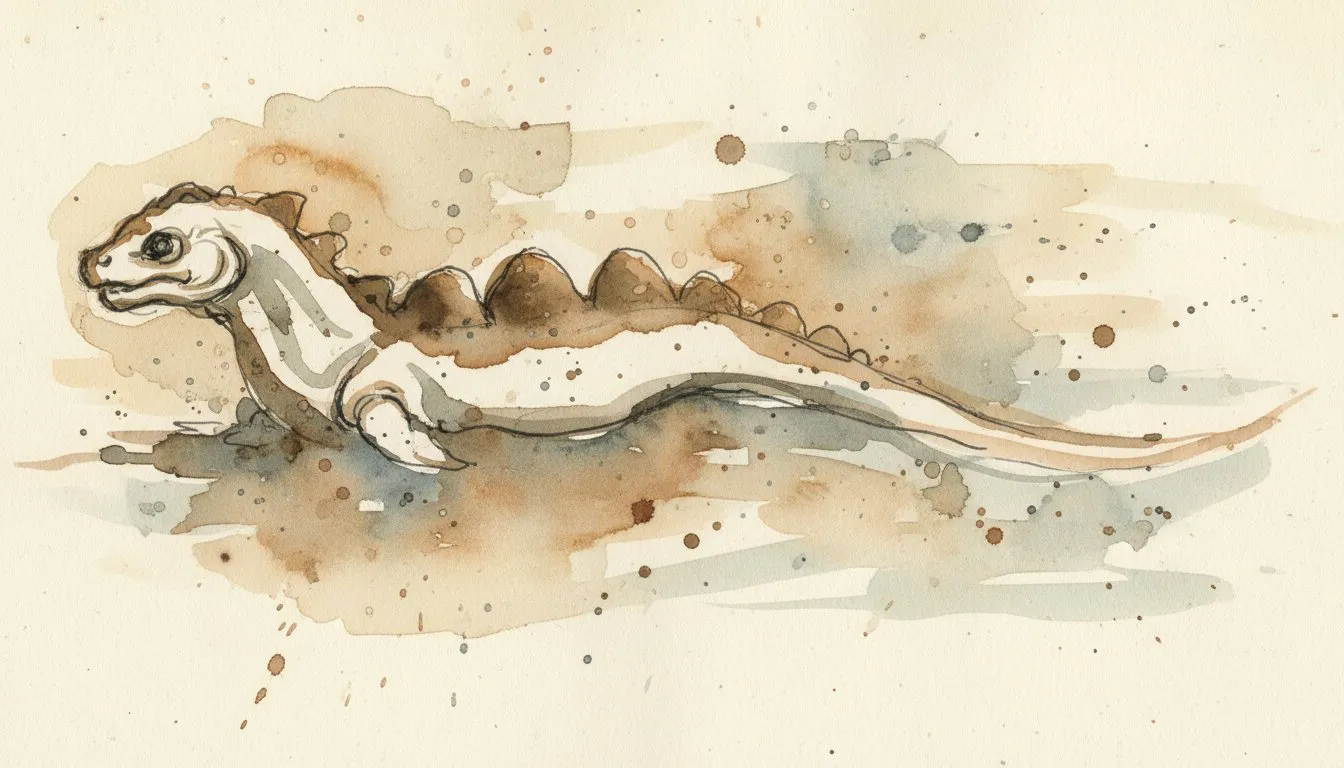
Storsjoodjuret
LowSweden's most famous lake monster has been reported for centuries and was officially designated a protected species in 1986.
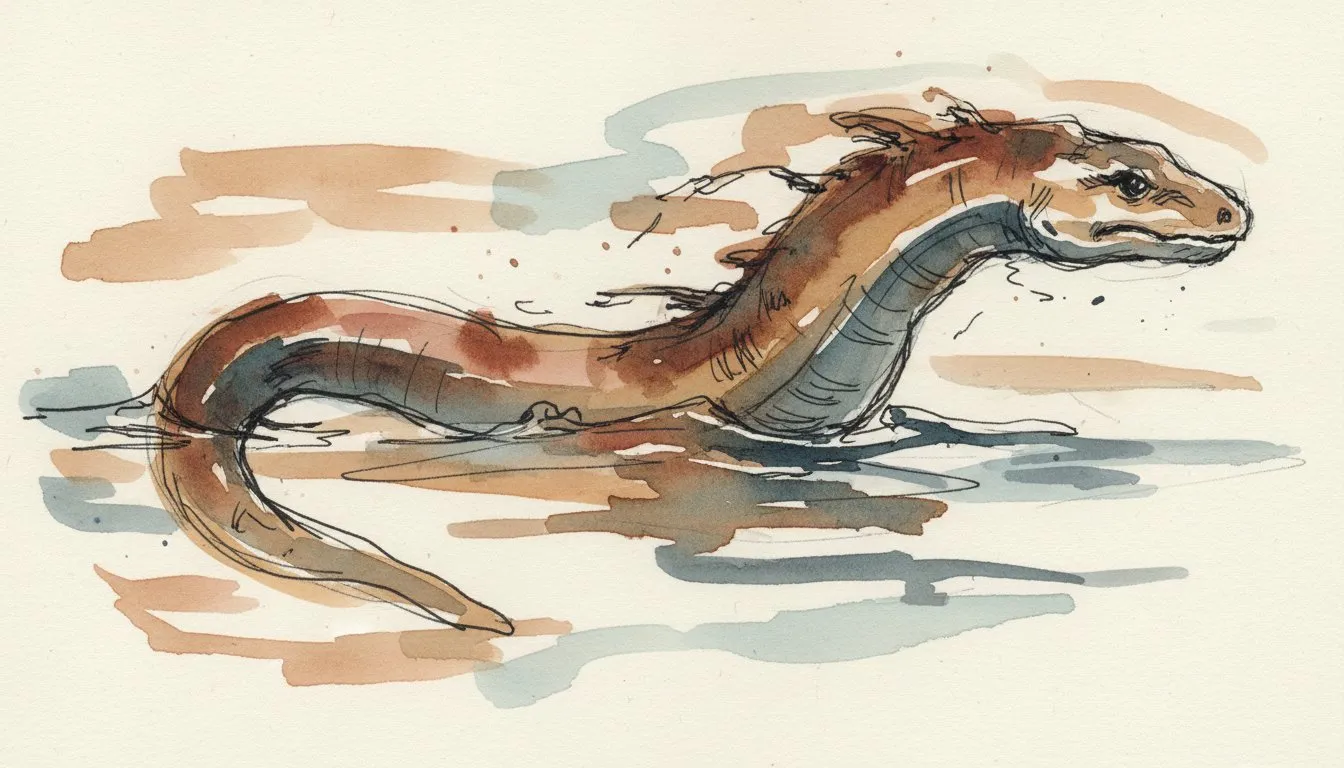
Tahoe Tessie
LowA serpentine lake dweller hiding in the frigid depths of Lake Tahoe since Washoe legend.
Selma
LowNorway's lake monster has been sighted over 500 times in a small mountain lake, making it one of the most reported freshwater cryptids in Europe.