

Waitoreke
Also known as: Kaurehe, New Zealand Otter
A small, otter-like animal in New Zealand's South Island rivers, where no native mammal should exist.
Pre-colonial Maori accounts; 1773 (Cook expedition notes)
South Island rivers, New Zealand (Otago, Fiordland)
1-2 ft long
Shy, elusive
Unconfirmed
The Lore
The Waitoreke is a small semi-aquatic mammal reported from the rivers and lakes of New Zealand's South Island, primarily in Otago and Fiordland. It's described as resembling a small otter or beaver, about 1-2 feet long, with brown fur and a flat tail. New Zealand has no native land mammals other than bats, making any mammalian discovery extraordinary. Maori oral tradition describes the Kaurehe as a riverside creature, and European naturalists from the 1860s onward have collected enough reports to take the possibility seriously. Captain James Cook's expedition noted what may have been the same animal.
Notable Witnesses
- Captain James Cook (possible, 1773)
- Julius von Haast (geologist, 1861)
Similar Real Animals
You might also like
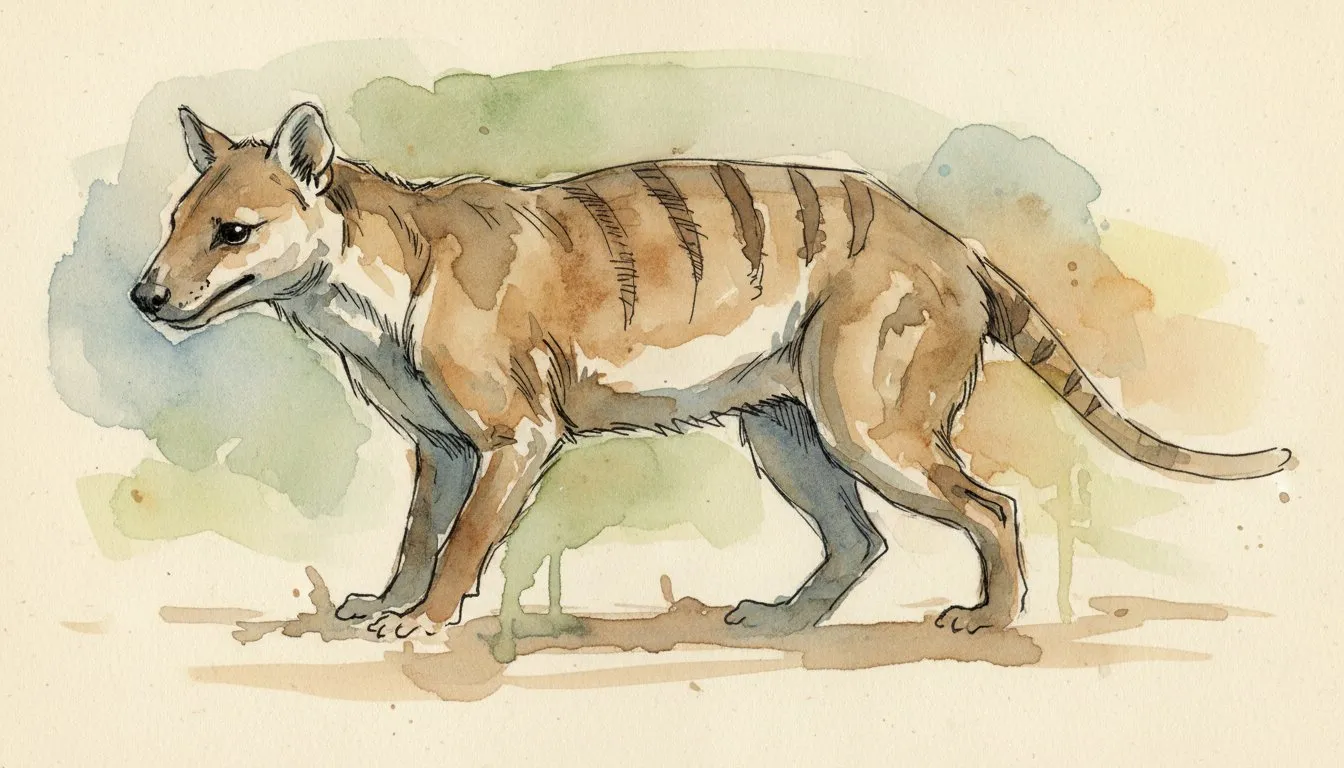
Thylacine
Officially extinct since 1936, the Tasmanian tiger is the subject of more credible survival sightings than almost any other lost species.
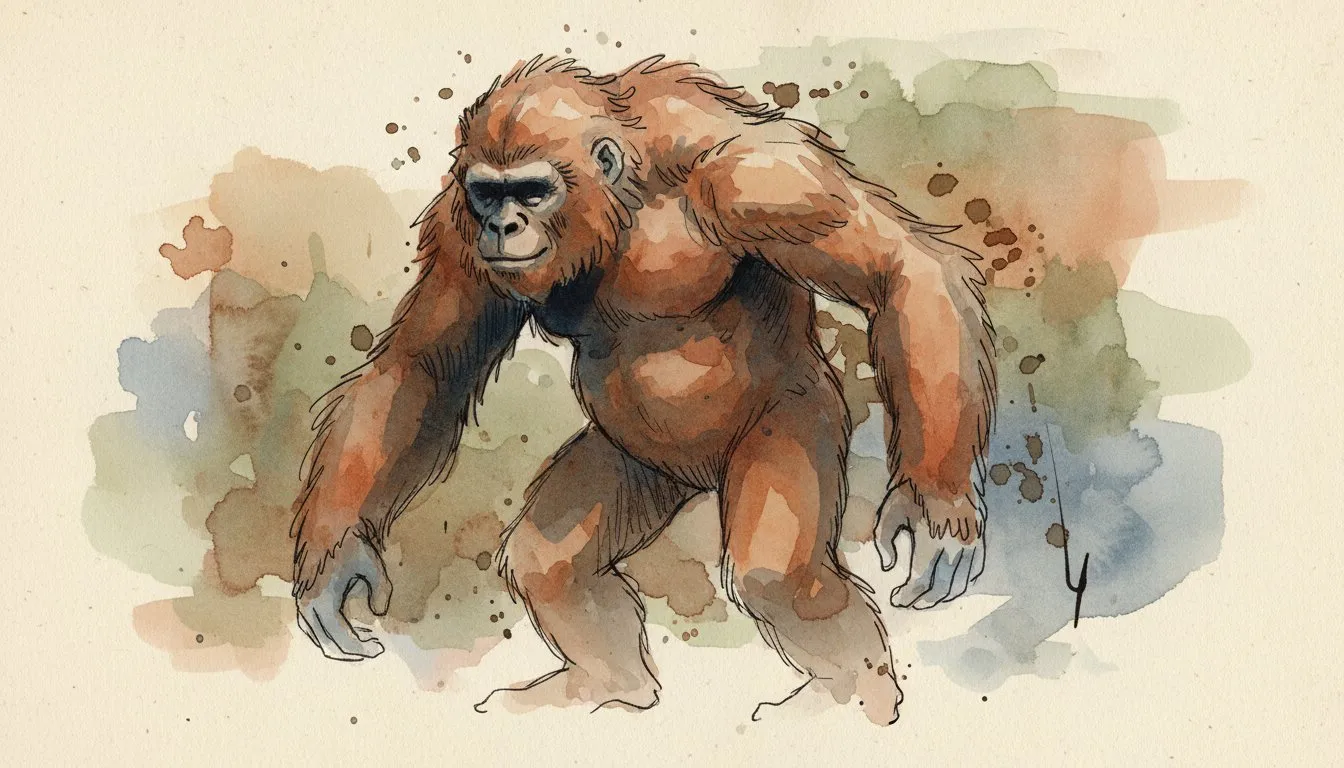
Orang Pendek
A short, bipedal ape covered in golden-brown fur walks the jungles of Sumatra, and credible scientists have spent decades trying to prove it exists.
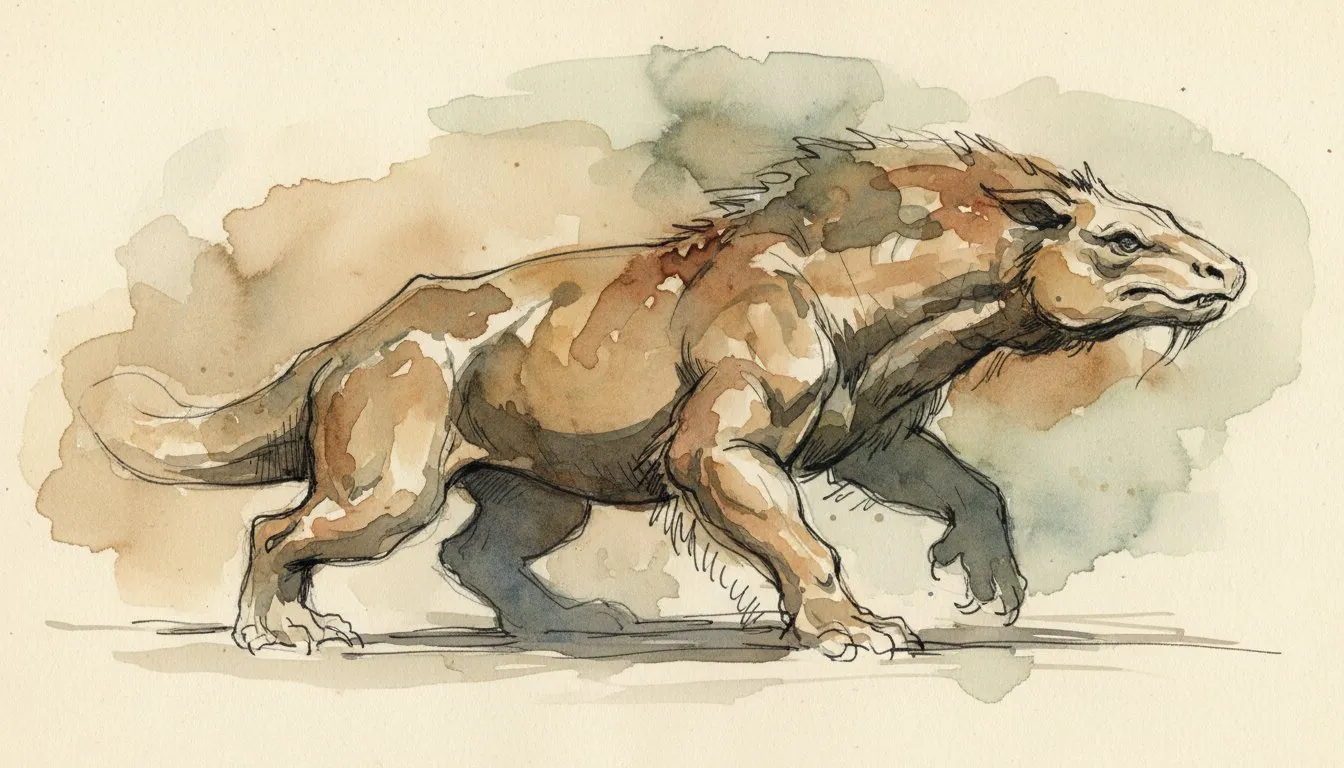
Bunyip
Australia's lurking water spirit, feared by indigenous peoples for thousands of years.

Moa
A 12-foot flightless bird, officially extinct for 600 years, with enough backcountry sighting reports to keep the search alive.

Muldjewangk
A colossal water creature in Australia's Murray River that punishes anyone who disturbs its territory with a wasting sickness.
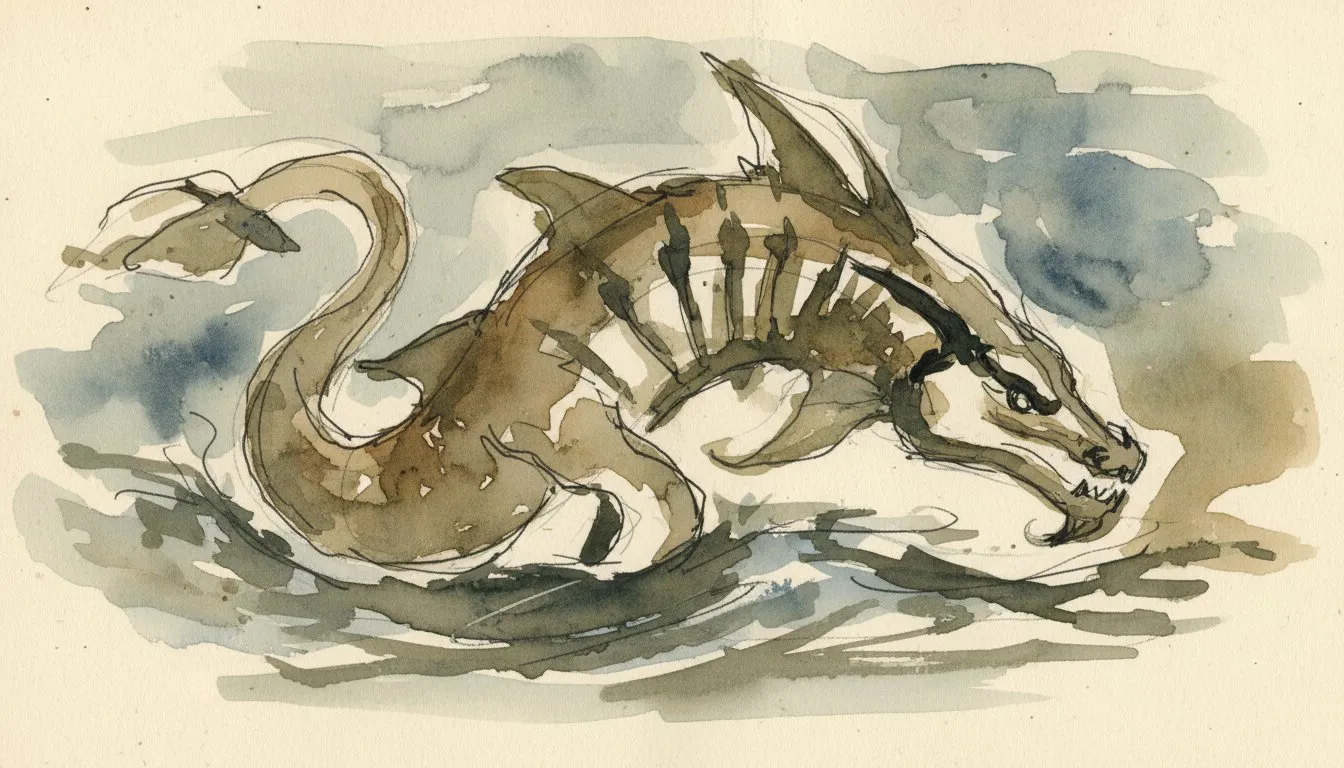
Taniwha
Sacred water guardians of Maori tradition that shape rivers, protect tribes, and sometimes drag the unwary to their doom.

Hawkesbury River Monster
A plesiosaur-shaped creature in the murky tidal waters north of Sydney, reported by fishermen for over a century.

Ningen
A ghostly white humanoid shape rising from Antarctic waters, seen by Japanese fishermen.