Lake Monsters Aren't Just Nessie: 9 Freshwater Cryptids That Have Entire Communities Convinced
The World Is Full of Lake Monsters
When people think "lake monster," they think Loch Ness Monster. Nessie is the brand name, the creature that launched a thousand tourist shops. But Loch Ness is just one lake, and Nessie is just one sighting tradition among dozens.
Across six continents, freshwater bodies harbor creatures that local communities take very seriously. Some have prompted official government protections. Others have funded research expeditions or divided entire towns for generations. Here are nine that deserve the same attention Nessie gets.
Champ
Champ lives in Lake Champlain, the 125-mile body of water straddling New York, Vermont, and Quebec. Sightings date back to the Abenaki people, who called the creature Tatoskok.
What makes Champ remarkable is the institutional support. Both the New York State Senate and the Vermont House of Representatives have passed resolutions protecting Champ from harm. That is not folklore. That is legislation. The famous 1977 Mansi photograph, showing a long-necked creature breaking the surface, has never been conclusively debunked.
Ogopogo
British Columbia's Ogopogo inhabits Okanagan Lake, a 135-kilometer glacial lake. The Syilx people knew the creature as N'ha-a-itk, a dangerous lake spirit that demanded offerings from anyone crossing the water.
Sightings span more than a century. Witnesses describe a serpentine body 12 to 20 meters long, dark green or black, with humps above the surface. A 2011 cell phone video racked up millions of views. Kelowna has fully embraced the creature with statues, festivals, and a tourism economy built around the legend.
Altamaha-ha
The Altamaha-ha, or Altie, lurks in the Altamaha River system in southeastern Georgia. First reported by the Tama people long before European contact, the creature is described as sturgeon-like with a bony ridge and seal-like snout, reaching 30 feet in length.
What sets Altie apart is habitat. The Altamaha delta is a brackish tidal estuary connected to the Atlantic, not a landlocked lake. This makes the "trapped prehistoric survivor" theory more plausible. Darien, Georgia has adopted the creature as a local mascot, complete with road signage.
Nahuelito
Nahuelito inhabits Nahuel Huapi Lake in the Patagonian Andes of Argentina. Deep, cold, glacially carved, with peaty water that limits visibility. The parallels to Loch Ness are striking.
Sightings date to Mapuche accounts and increased after European settlement. In 1988, the Argentine navy reportedly tracked a large underwater object in the lake. Bariloche, the resort city on the shore, treats Nahuelito as a point of pride.
Iliamna Lake Monster
Alaska's Iliamna Lake Monster inhabits a lake 77 miles long, over 1,000 feet deep, with no road access. The Dena'ina people have stories of large creatures here going back generations.
Modern witnesses describe a fish-like animal 10 to 30 feet long. Unlike most lake monsters, the Iliamna creature has a plausible zoological candidate: white sturgeon or sleeper sharks that enter freshwater systems. In 2022, researchers documented unusually large sonar returns in the deepest parts of the lake. Nothing conclusive, but enough to keep the search funded.
Pressie
Pressie is the resident monster of Lake Superior's Presque Isle area. Lake Superior is the largest freshwater lake by surface area on Earth. If any lake could hide something large, it is this one.
Reports describe a serpentine creature 30 to 75 feet long with a horse-like head. Ojibwe accounts reference Mishipeshu, the underwater panther, as a powerful spirit of the Great Lakes. With average temperatures of 40 degrees Fahrenheit and depths exceeding 1,300 feet, this is one of the least explored large water bodies in the world.
Inkanyamba
South Africa's Inkanyamba breaks the mold. In Zulu and Xhosa tradition, this massive serpent is associated with storms, waterfalls, and seasonal floods. It inhabits Howick Falls in KwaZulu-Natal, a 95-meter waterfall plunging into a deep pool.
Sightings cluster during summer storms, aligning with the belief that Inkanyamba controls the weather. Local sangomas still perform rituals to appease the creature. This is not a tourist attraction. It is a spiritual reality for Zulu communities.
Manipogo
Manipogo lives in Lake Manitoba and Lake Winnipegosis, named as a nod to its more famous cousin Ogopogo. In 1962, two fishermen reported a close encounter with a serpentine creature 15 to 20 feet long with dark skin and humps.
The Manitoba government took the reports seriously enough to commission an investigation. No physical evidence surfaced, but sightings continue into the 2020s. Witnesses consistently describe an animal that moves in vertical undulations, unlike any known fish.
Storsjoodjuret
Storsjoodjuret, the Great Lake Monster of Storsjon in central Sweden, has sighting records stretching back to 1635. A runestone near the lake, dated to around 1000 CE, depicts a serpentine creature. That is nearly a thousand years of tradition.
In 1986, the Jamtland County Administrative Board legally protected the creature as an endangered species. The protection was revoked in 2005, but the fact that a Swedish government body formally recognized its existence, even temporarily, is extraordinary.
Why Lake Monsters Persist
The pattern repeats worldwide. Deep, cold, low-visibility lakes. Indigenous traditions predating European contact. Multi-generational witness accounts. Government responses ranging from protection orders to funded research.
Skeptics point to wave patterns, floating logs, and the power of expectation. These explain individual sightings. But they don't account for why the same descriptions repeat across centuries and cultures, in lakes separated by thousands of miles, among witnesses who have never heard of each other's monsters.
Nessie has the fame. These nine have something more compelling: communities that never stopped watching the water.
Explore more: Loch Ness Monster, Champ, Ogopogo, Mokele-Mbembe, Yacumama, Browse all cryptids.
Creatures mentioned in this post
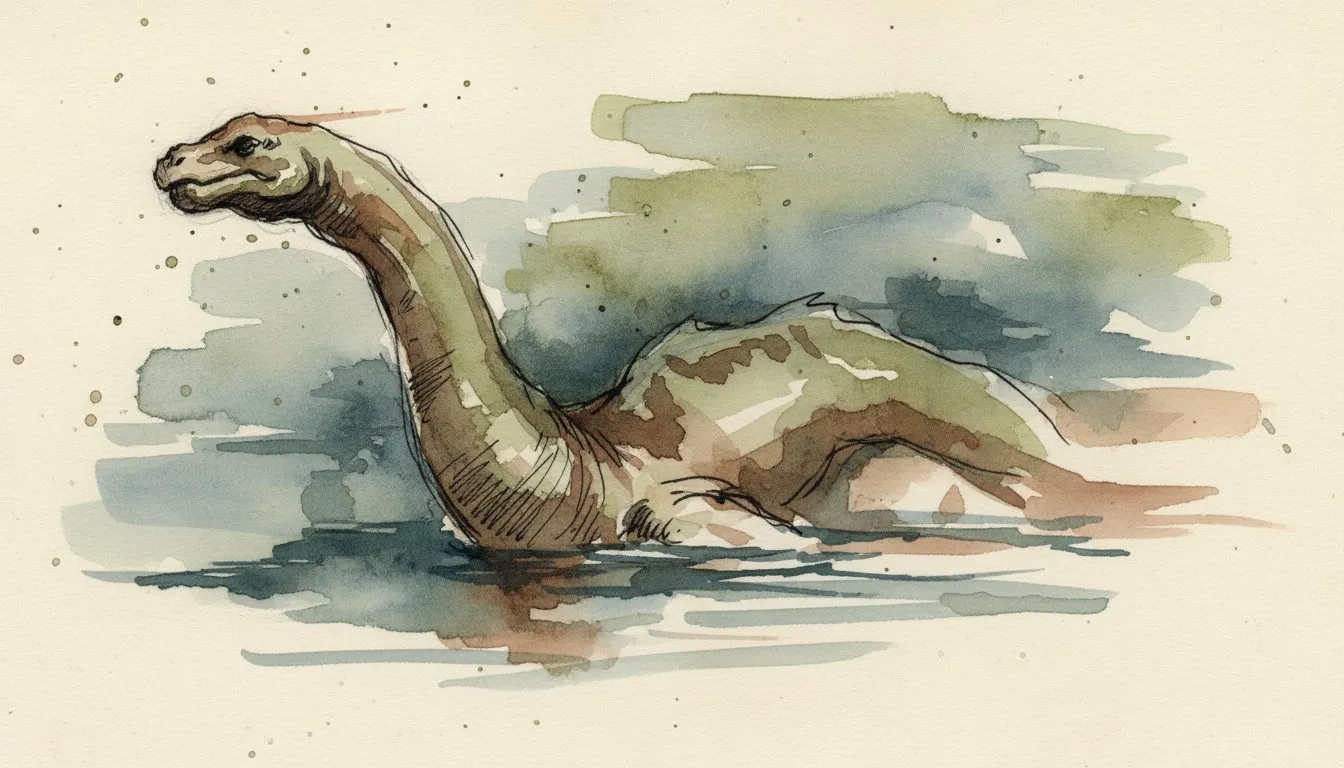
Loch Ness Monster
LowThe legendary lake serpent of Scotland, photographed, sonar-scanned, and never found.

Champ
LowAmerica's own lake monster, surfacing in the waters between Vermont and New York.
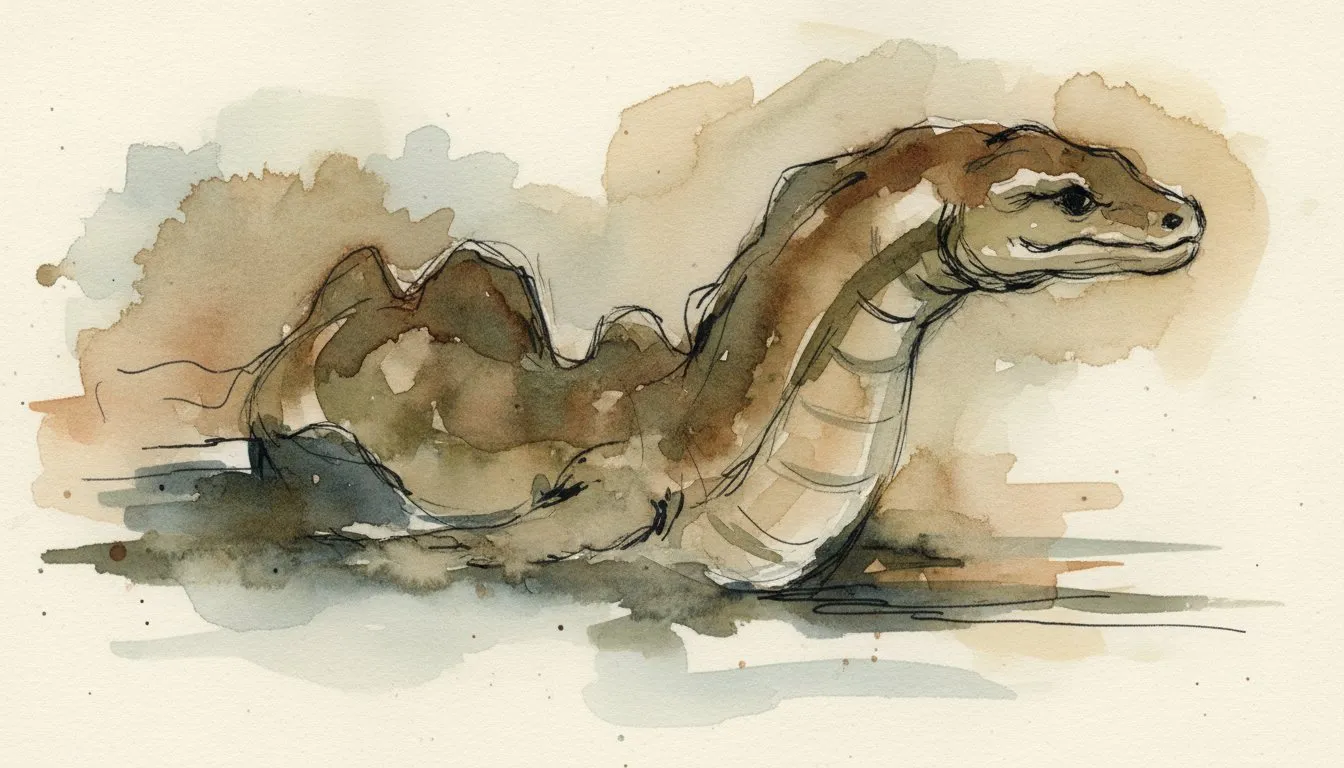
Ogopogo
LowCanada's answer to Nessie, coiling through the depths of Okanagan Lake.
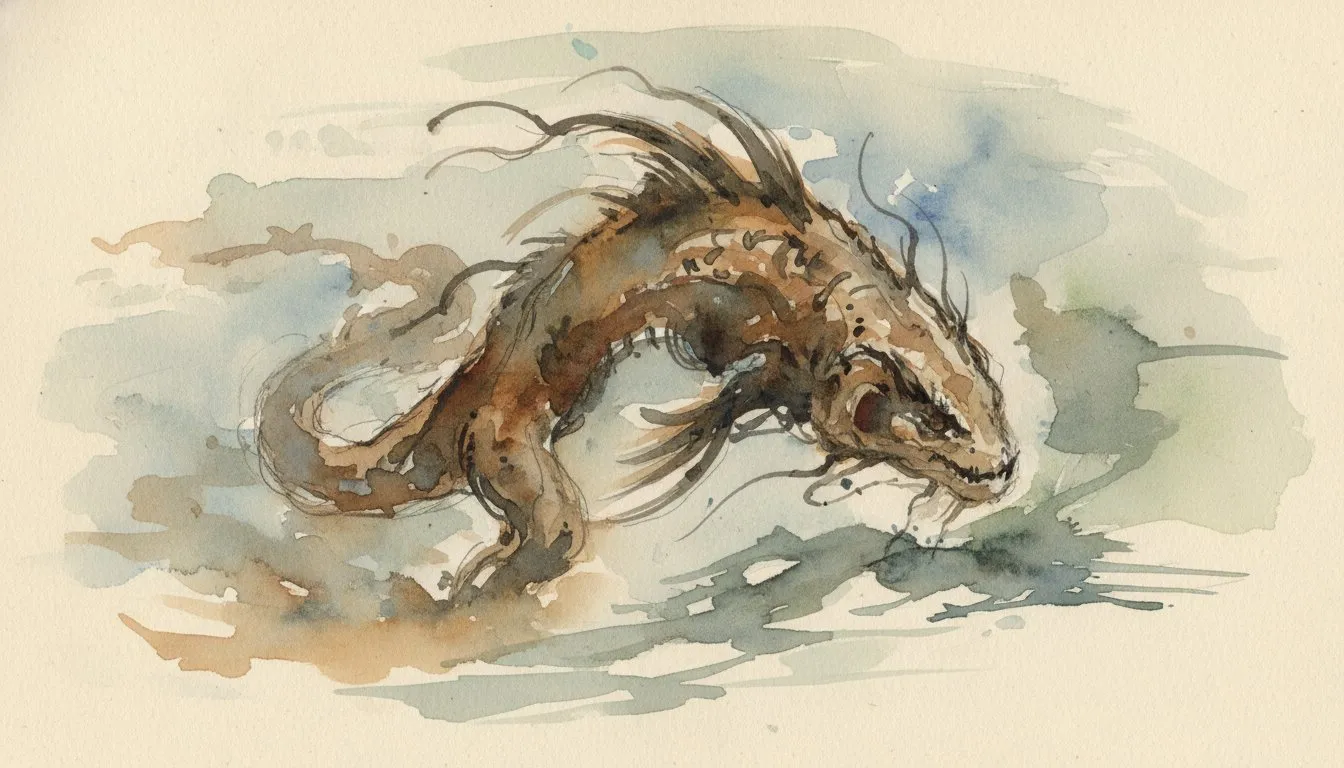
Iliamna Lake Monster
UnknownSomething massive moves beneath Alaska's largest lake, and the locals know to stay clear.